Table of Contents
- 1The Real Key to Paver Patio Longevity in Wisconsin
- 2What to Check on Your Paver Patio
- 3DIY Paver Patio Cleaning and Maintenance
- 4When to Call a Professional for Paver Patio Cleaning and What to Expect
- 5Seasonal Timing for Paver Patio [Cleaning in Madison](/blog/complete-guide-exterior-cleaning-madison-wi)
- 6Protecting Your Paver Patio from Common Issues
- 7Frequently Asked Questions
Quick answer
A paver patio can last for decades in Wisconsin, but its true longevity depends less on the pavers themselves and more on the quality of its underlying base, edge restraint, and joint sand. Many homeowners ask "how long does a paver patio last in Wisconsin," and the answer often comes down
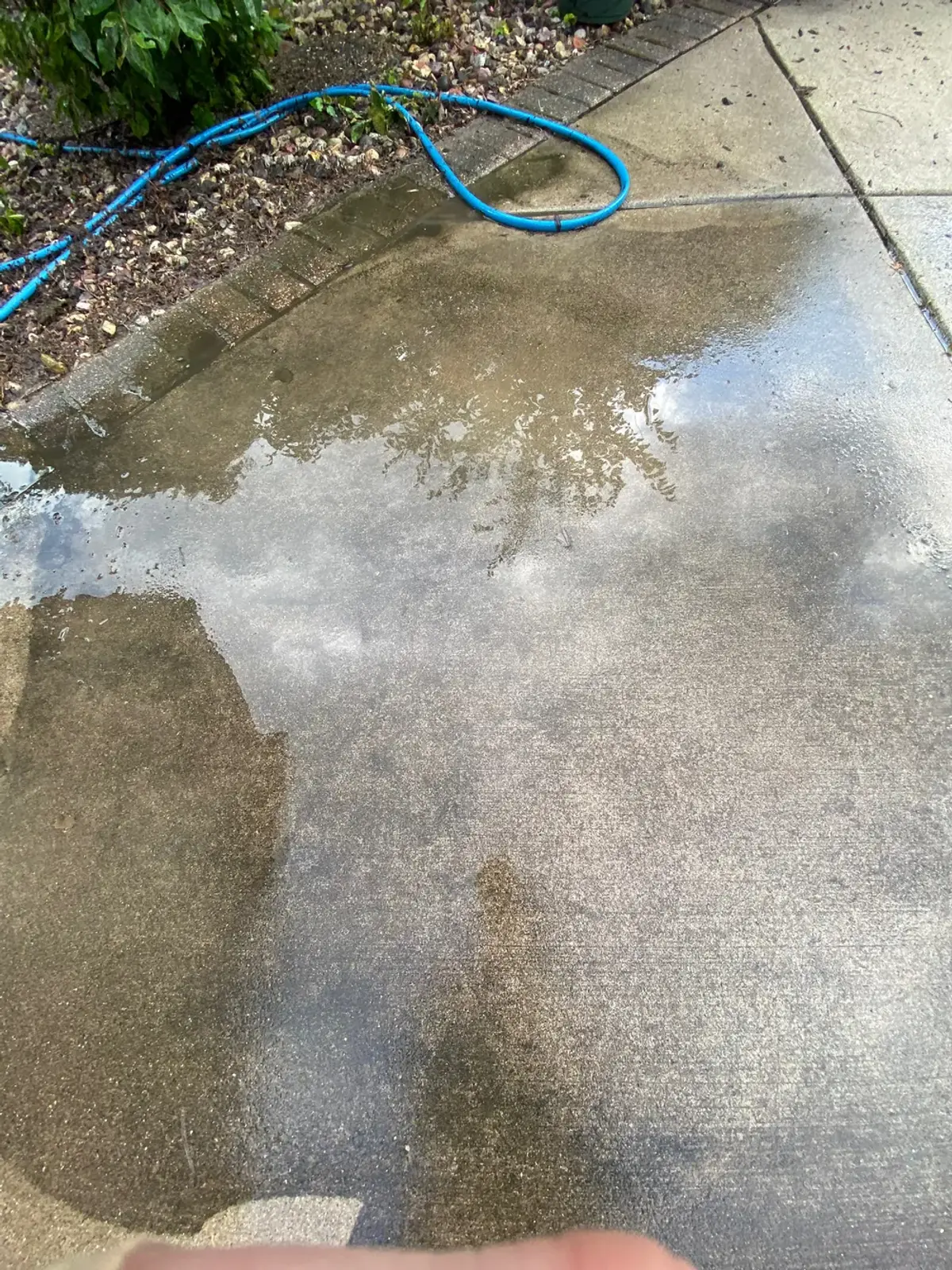
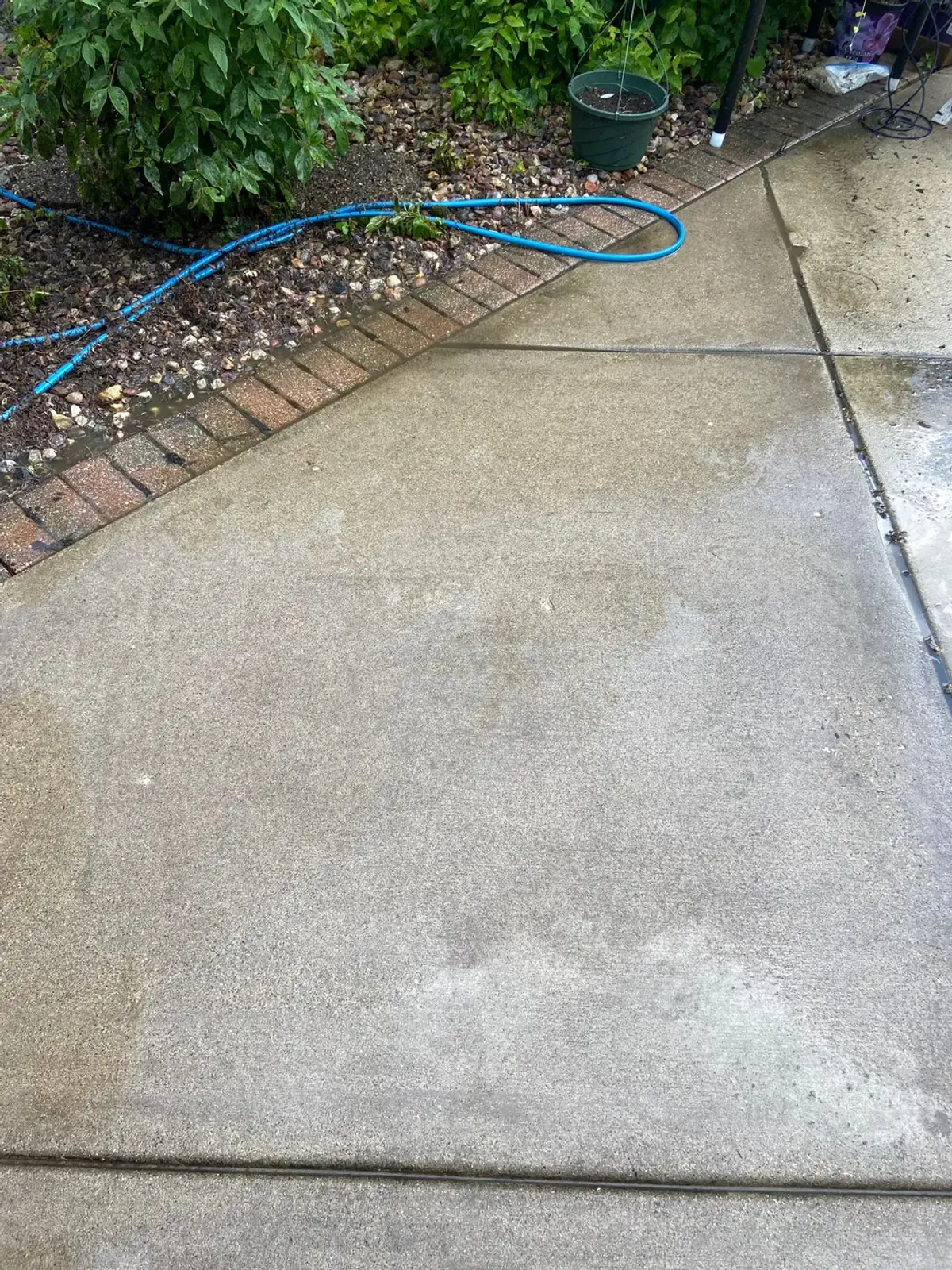
A paver patio can last for decades in Wisconsin, but its true longevity depends less on the pavers themselves and more on the quality of its underlying base, edge restraint, and joint sand. Many homeowners ask "how long does a paver patio last in Wisconsin," and the answer often comes down to how well it withstands our region's unique climate. Regular cleaning and maintenance are key to protecting your investment and ensuring your patio remains a functional and attractive part of your home for many years.
The Real Key to Paver Patio Longevity in Wisconsin
The lifespan of a paver patio in Wisconsin is significantly influenced by factors beyond the pavers themselves. While pavers are durable, the underlying construction is what truly determines how long your patio will last and how well it will perform over time. The quality of the base, the integrity of the edge restraint, and the type of joint sand used are critical components.
A strong foundation is essential. This includes a properly prepared and compacted base beneath the pavers. Without an adequate base, especially in Wisconsin's climate, a patio can become uneven. The constant freezing and thawing cycles can cause the ground to expand and contract, leading to shifting pavers and potential damage. A well-constructed base helps to distribute weight evenly and provides stability against these natural movements.
Edge restraint also plays a vital role in longevity. This perimeter border holds the outer pavers firmly in place, preventing them from shifting or spreading outwards. If the edge restraint is compromised, the entire patio structure can lose its stability, leading to wider gaps between pavers and eventual disintegration of the surface.
Finally, the joint sand between the pavers contributes to the patio's structural integrity. Polymeric sand, when properly installed, hardens to create a flexible yet firm bond that helps lock the pavers together. This not only prevents weeds from growing through the joints but also deters insects and helps the patio resist erosion from rain and foot traffic. Over time, if the joint sand is lost or damaged, the pavers can become loose, making the patio more susceptible to movement and weed growth.
Maintaining these key elements through regular inspection and timely cleaning helps to protect the patio from deterioration. Addressing issues with the base, edge restraint, or joint sand early can extend the life of your paver patio, ensuring it remains a functional and attractive feature of your home for many years.
What to Check on Your Paver Patio
Regular inspections can help you address small issues on your paver patio before they become larger problems. Focus your checks on drainage, the integrity of the joint sand, and the overall levelness of the surface.
Check for Proper Drainage and Slope
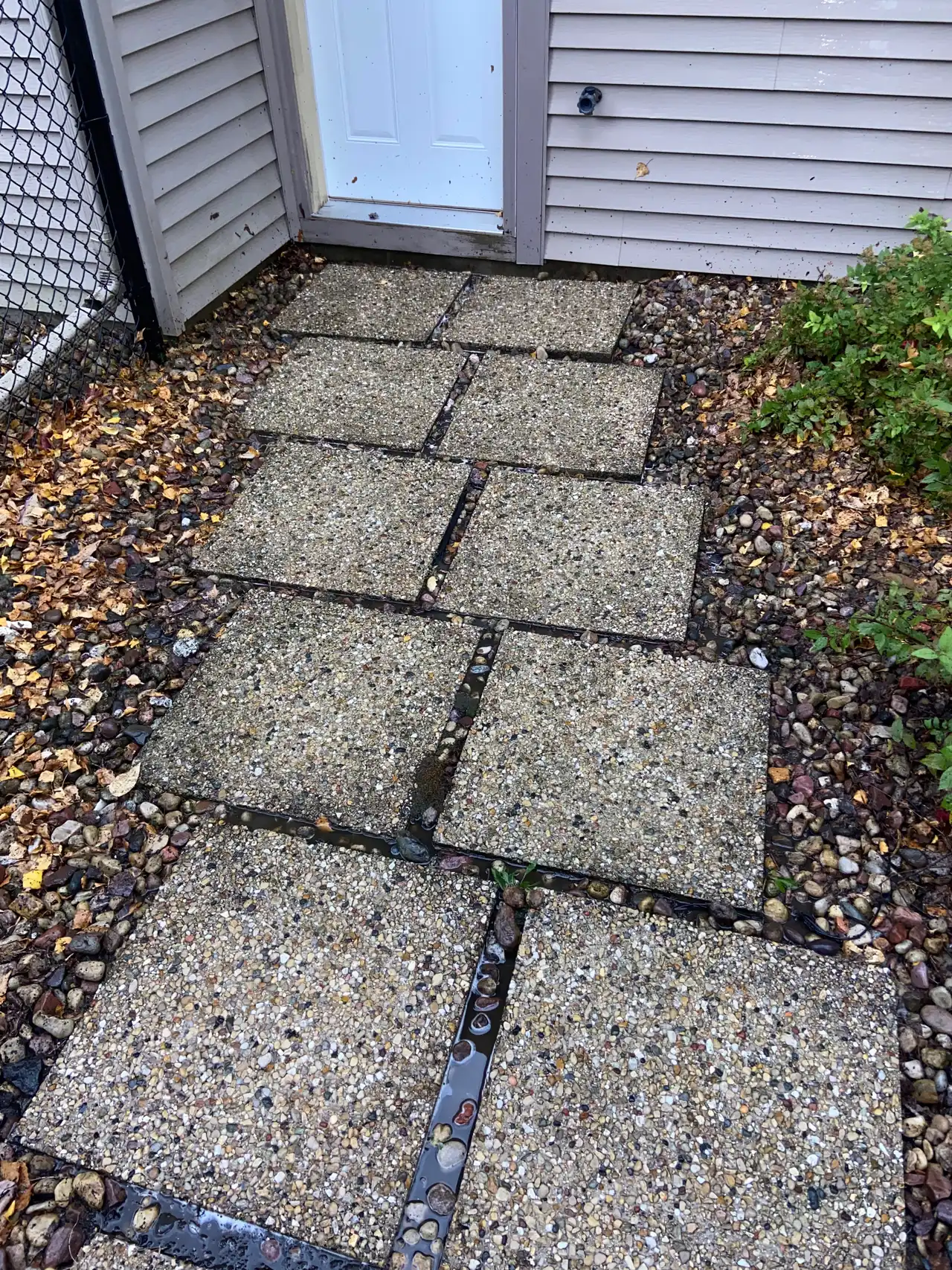
Proper drainage is essential for the longevity of any patio, especially in Wisconsin with its freeze-thaw cycles. Your patio should have a slight slope, typically 1–2%, away from your house or other structures to ensure water drains away efficiently. To check the slope, you can use a long level or a string line and a measuring tape. Place one end of the level or string at the edge of your house and extend it across the patio. Measure the difference in height over a given distance to estimate the slope.
Look for any areas where water pools after rain or snowmelt. Standing water can indicate an uneven surface or a drainage issue that needs attention. These areas can lead to premature wear, moss or algae growth, and can compromise the integrity of the paver base over time.
Inspect Joint Sand and Paver Stability
The sand between your pavers, often polymeric sand, plays a critical role in stabilizing the patio and preventing weed growth. Inspect the joints for:
- Missing or eroded sand: Over time, rain, foot traffic, and freeze-thaw cycles can cause joint sand to erode. If you see gaps between pavers or sand that has washed away, it may be time to replenish it.
- Weed growth: Weeds growing through the joints are a sign that the sand has either eroded or is no longer effectively preventing growth.
- Loose or rocking pavers: If individual pavers feel loose or rock when you step on them, it could indicate a problem with the joint sand or the underlying base. Gently try to wiggle pavers to identify any instability.
Assess Overall Levelness
Walk across your patio and feel for uneven spots, dips, or raised areas. These can develop due to shifting base material, freeze-thaw cycles, or improper installation. Significant unevenness can create tripping hazards and affect drainage. You can use a straightedge or a long board to identify low spots or high spots across several pavers.
Addressing these issues early can help maintain your patio's appearance and function for years to come. For more detailed guidance on maintaining your paver surfaces, visit our page on driveway and concrete cleaning.
DIY Paver Patio Cleaning and Maintenance
Regular cleaning and maintenance can help extend the life of your paver patio. Many of these tasks are manageable for a homeowner. The goal is to keep the surface clear of debris, prevent organic growth, and maintain the integrity of the paver joints.
Sweeping and Debris Removal
One of the simplest and most effective maintenance steps is regular sweeping. Leaves, dirt, and other organic debris can accumulate on the patio surface and in the paver joints. When this material breaks down, it creates a nutrient source for weeds, moss, and algae. Sweeping at least once a month, or more often during periods of heavy leaf fall, helps prevent this buildup. UW–Extension permeable-pavement guidance recommends surface cleaning at least twice per year—spring and fall.
Gentle Washing
For surface dirt that sweeping doesn't remove, a gentle wash can be effective. You can use a garden hose with a spray nozzle and a stiff-bristled broom to scrub away grime. For stubborn spots, a mild, pH-neutral cleaner designed for outdoor use can be applied according to the manufacturer's instructions, followed by a thorough rinse. Always test any cleaner on an inconspicuous area first to ensure it doesn't discolor or damage the pavers.
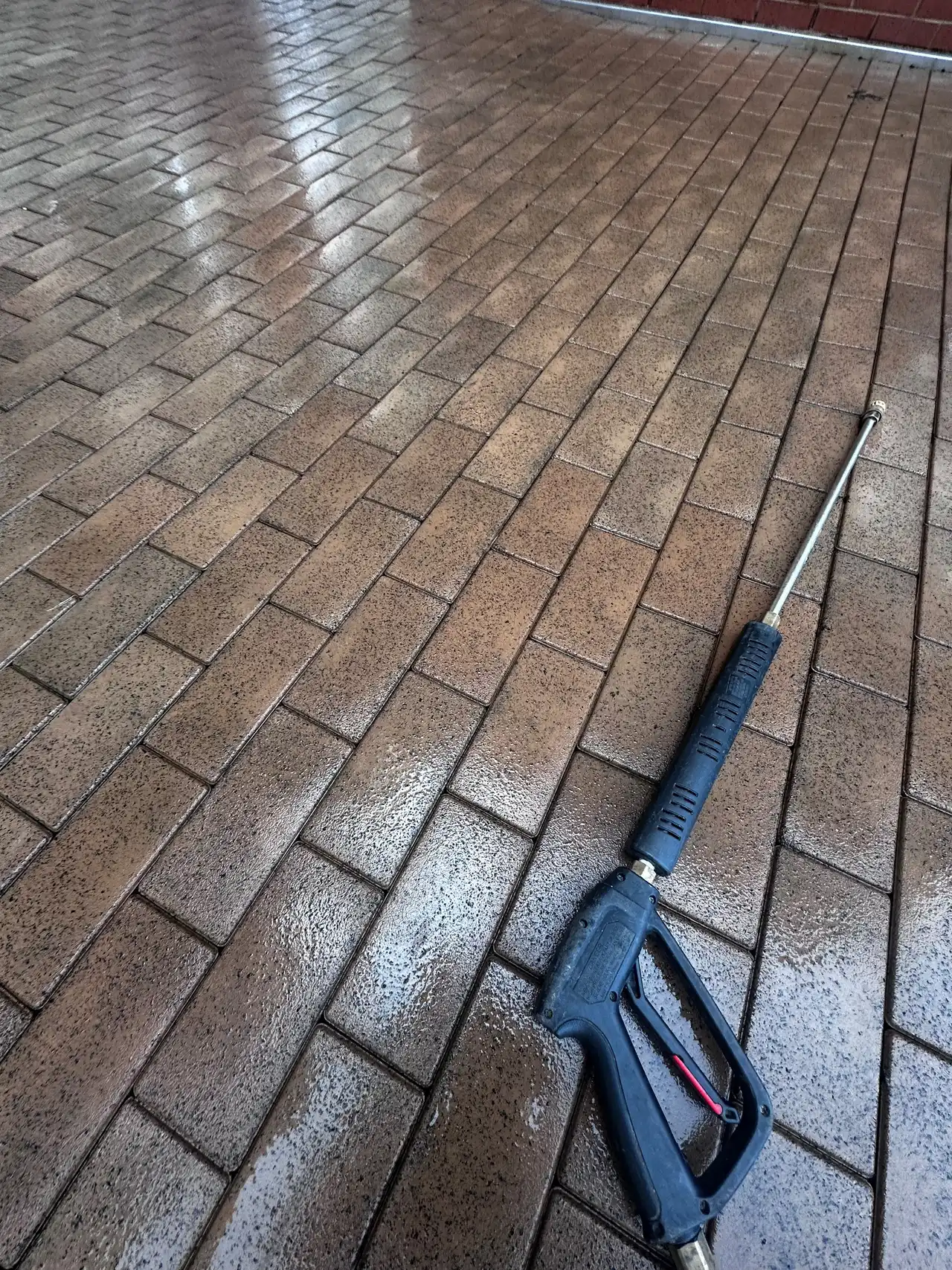
Avoid using harsh chemicals or high-pressure washing with a narrow-point nozzle if you are unsure of the correct technique. While pressure washing can be effective for deep cleaning, improper use can damage pavers, erode joint sand, and leave streaks. If you opt to use a pressure washer yourself, use a wide-angle nozzle and keep the spray moving to avoid concentrating pressure on one spot.
Checking and Refilling Joint Sand
The polymeric sand in the joints between pavers is critical for their stability and for preventing weed growth. Over time, this sand can erode due to weather, traffic, or improper cleaning. Inspect your patio periodically for areas where the joint sand is low or missing. To refill, sweep new polymeric sand into the joints, ensuring it fills the gaps completely. Follow the product manufacturer's instructions for wetting and curing the sand to ensure it sets properly.
If you notice significant shifting of pavers, extensive weed growth that returns quickly after removal, or persistent staining despite your best efforts, it may be time to consider professional help. These issues can indicate deeper problems that require specialized cleaning methods or repairs beyond routine DIY maintenance.
When to Call a Professional for Paver Patio Cleaning and What to Expect
While routine sweeping and spot cleaning can address minor issues, some situations call for professional paver patio cleaning. You might need professional help if you see widespread, deep-seated stains like oil, rust, or efflorescence that household cleaners don't remove. Extensive moss, algae, or lichen growth across the patio also indicates a need for more intensive cleaning, especially if it makes surfaces slippery or traps moisture. If you notice significant joint sand loss, uneven pavers, or drainage problems, these often require specialized equipment and techniques beyond what a homeowner can safely or effectively manage.
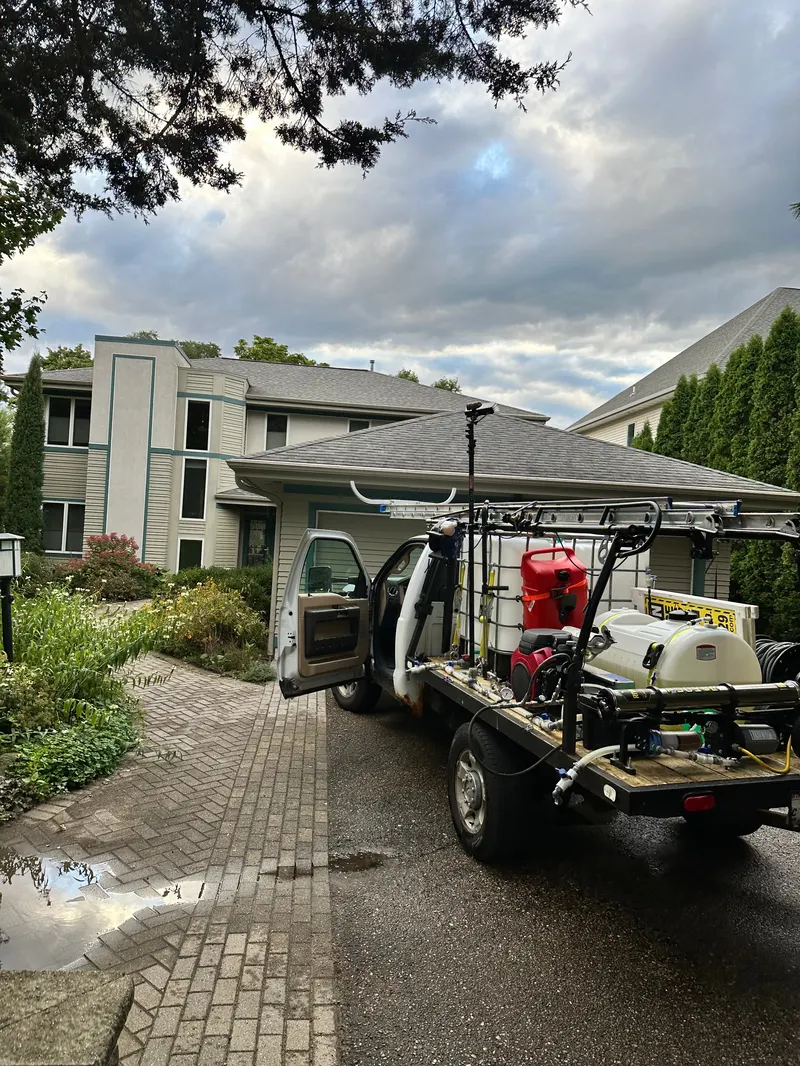
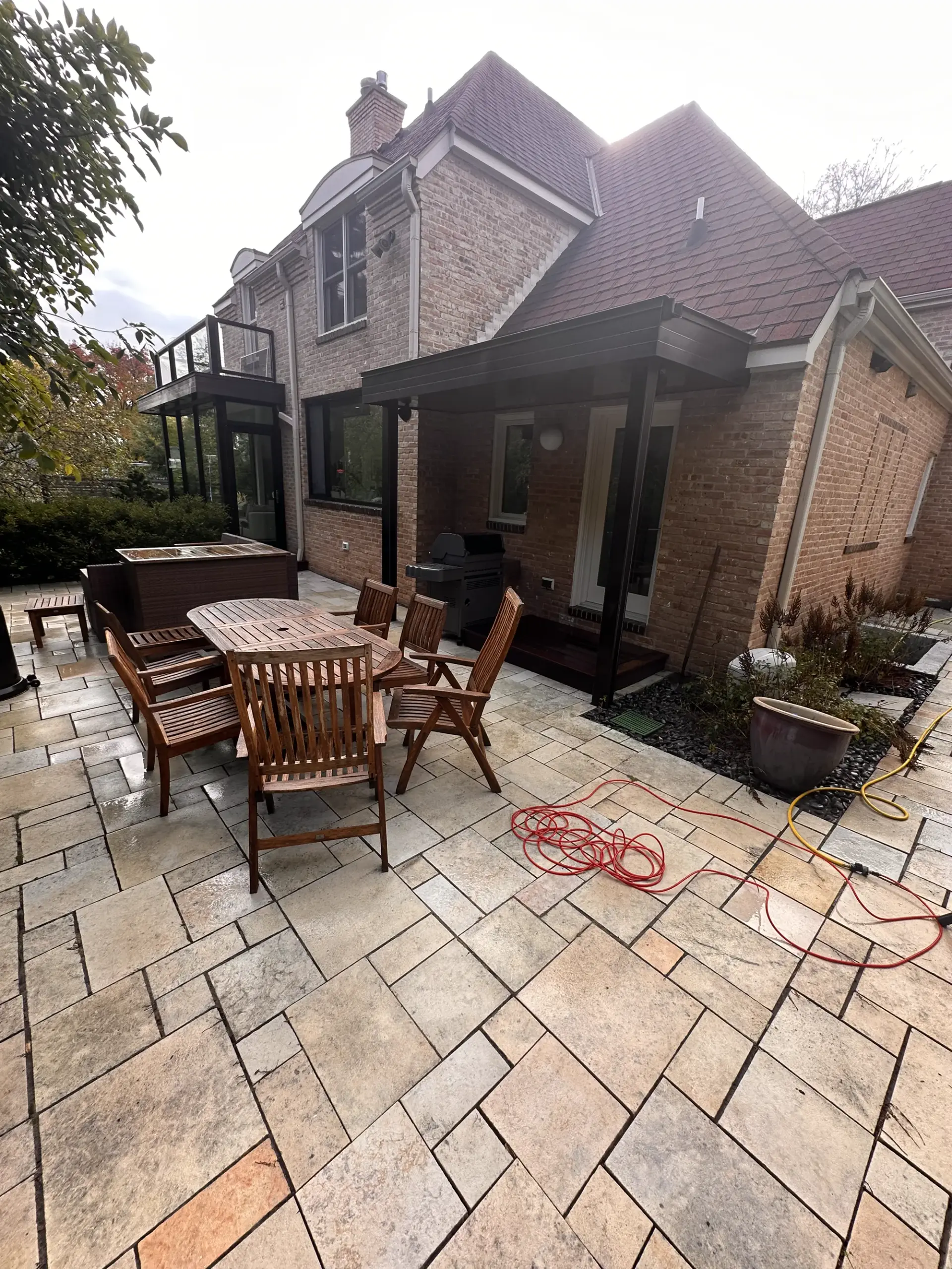
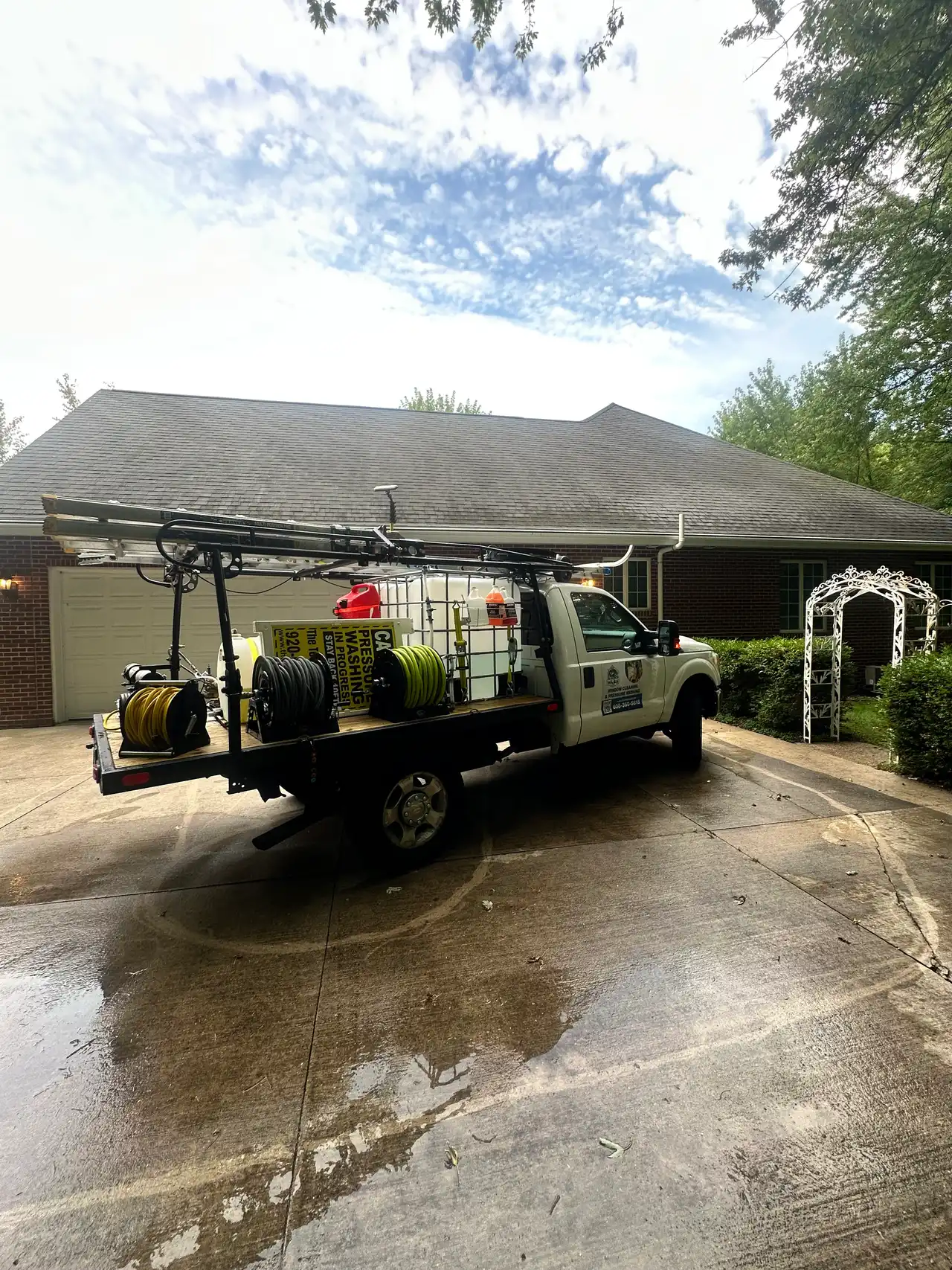
The Total Wash Co. provides professional surface cleaning for paver patios. Our method uses a high-pressure surface clean with a 20-inch surface cleaner, preceded by a pre-treatment for stains. We use an 8 GPM pressure washer, a 20-inch surface cleaner, and a turbo nozzle, with a 200-foot hose for reach. A crew of two completes the work. Typical on-site times for surface cleaning vary by size: small patios (around 100 sq ft) take about 0.5 hours, standard patios (200-400 sq ft) take about 0.75 hours, and large patios (400-800 sq ft) take about 1 hour.
Our company is fully insured with $2M general liability and is bonded. We have been serving Madison and surrounding communities since 2021 (5 years), with a Google rating of 4.9 from 212 reviews. We serve homeowners [in Madison](/blog/moss-algae-roof-treatment-madison-spring-timing), Middleton, Fitchburg, Verona, Sun Prairie, Waunakee, Monona, Maple Bluff, Shorewood Hills, DeForest, McFarland, Oregon, Stoughton, Cottage Grove, Janesville, Beloit, Watertown, Reedsburg, Baraboo, Portage, Prairie du Sac, Mount Horeb, and Cross Plains.
- "I received a first class experience from Total Wash.great job and the results were excellent. The workers were a pleasure to work with. Friendly, courteous, and highly qualified." — Thomas, 5★, 2026-10
- "Even though there were few setbacks, Ashton and Total Wash made sure to get the job done right. It wouldn’t be fair to give anything less than five stars for diligently making sure that I was satisfied with the work and ultimately doing a job they could be proud of." — Blake, 5★, 2026-09
- "Great work! Always there when needed, especially when you're in a pinch!" — Lan, 5★, 2026-05
You can get an instant quote for your property by visiting our instant quote page or by calling us at (608) 360-5818.
Seasonal Timing for Paver Patio [Cleaning in Madison](/blog/complete-guide-exterior-cleaning-madison-wi)
The Wisconsin climate, with its cycles of freezing and thawing, makes seasonal timing important for paver patio cleaning. While cleaning can be done at various times, specific periods offer the most benefit for maintaining your patio's condition and preventing long-term issues.
Many homeowners find that spring is an ideal time for a thorough cleaning. After the snow melts and the ground thaws, patios can show signs of winter's effects, such as accumulated debris, dirt, and organic growth. A [spring cleaning](/blog/spring-cleaning-checklist-madison-home-exterior) removes these elements, preparing the patio for warmer weather and heavy use. It also allows you to address any minor issues that may have developed over the colder months before they become more significant problems.
Another beneficial time for paver patio cleaning is late fall, after most leaves have fallen but before consistent freezing temperatures set in. This helps clear away organic matter like leaves, acorns, and dirt that can trap moisture and encourage moss or algae growth over winter. Removing this debris reduces the likelihood of stains and biological growth, which can be challenging to clean once established. Cleaning in the fall also helps ensure that the patio's joints are clear and can drain properly, which is important for resisting freeze-thaw damage.
While spring and fall are often recommended, light cleaning or spot treatment can be done as needed throughout the summer. For instance, if spills occur or if certain areas accumulate dirt quickly, addressing them promptly can prevent them from setting into deeper stains.
In Madison, demand for pressure washing services, including paver patio cleaning, peaks in July, September, and October. This seasonal pattern reflects when many homeowners choose to perform their exterior cleaning tasks. Considering these peak times can help you plan your patio maintenance schedule effectively.
Protecting Your Paver Patio from Common Issues
Preventing Weed and Moss Growth
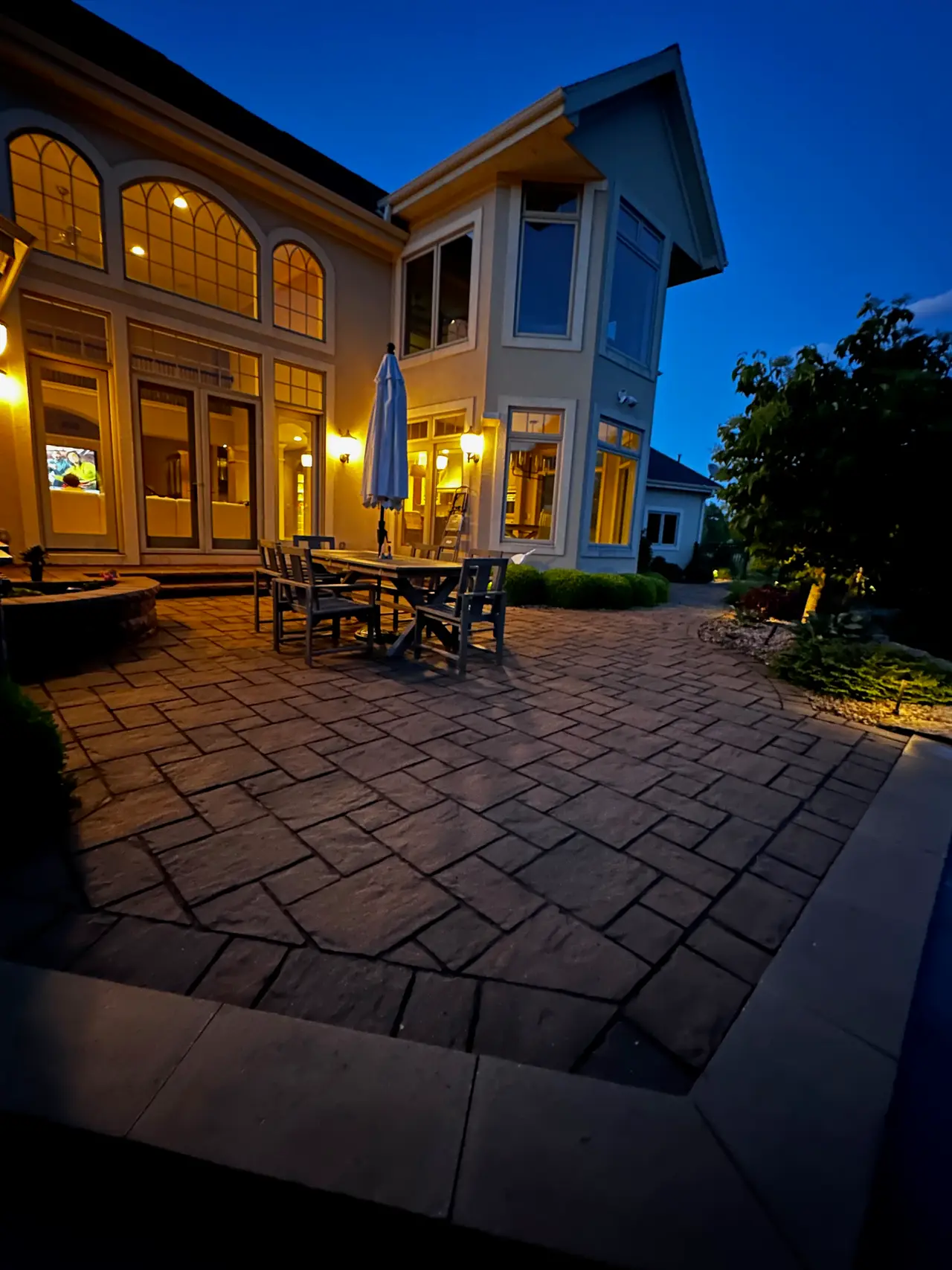
Weeds and moss thrive in the small gaps between pavers, especially where moisture is present. To prevent their growth, ensure that the joints between your pavers are filled correctly with polymeric sand. This type of sand hardens when wet, creating a barrier that discourages weeds and helps stabilize the pavers.
- Regular Sweeping: Sweep your patio regularly to remove dirt, leaves, and other organic debris. This removes material that could break down and provide a growing medium for weeds and moss.
- Prompt Cleaning: Address any visible growth of weeds or moss as soon as you notice it. Small patches are easier to manage than widespread infestations. For isolated weeds, hand-pulling is effective. For moss, a stiff brush and water can often remove it.
Addressing Surface Deterioration
The surface of your pavers can be affected by various factors, including staining, efflorescence, and general wear. While pavers are durable, preventative steps can extend their appearance and life.
- Stain Prevention: Clean up spills promptly, especially oil, grease, or colored liquids, to prevent them from setting into the paver surface. Using outdoor rugs under grilling areas or dining sets can also help protect against stains.
- Efflorescence Management: Efflorescence is a white, powdery substance that can appear on pavers. It is a natural byproduct of moisture moving through concrete products, carrying salts to the surface. It usually diminishes over time with exposure to rain and weathering. For persistent efflorescence, specialized cleaners are available, but always follow the manufacturer's instructions carefully.
- Sealing: Applying a high-quality paver sealer can add a protective layer to the surface. Sealers can enhance the color of your pavers, protect against stains, and slow down erosion of joint sand. Ensure the patio is thoroughly clean and dry before applying any sealer, and follow the product's application guidelines.
By taking these preventative measures, you can address common issues that affect paver patios and help maintain their appearance and structural integrity over time.
Frequently Asked Questions
How often should you clean your paver patio?
For optimal maintenance, you should clean your paver patio at least twice per year, typically in the spring and fall. Regular cleaning helps prevent the buildup of organic matter and keeps the joints clear for proper drainage, extending the patio's life.
What causes paver patios to become uneven in Wisconsin?
Uneven paver patios in Wisconsin are often caused by poor base preparation. Inadequate compaction or an insufficient base layer can lead to shifting and heaving due to our region's freeze-thaw cycles, which expand and contract the ground.
Can you pressure wash your paver patio yourself?
You can pressure wash your paver patio yourself, but use caution. High pressure can dislodge joint sand or damage pavers if not used correctly. A surface cleaner with appropriate pressure is often more effective and safer than a standard wand for large areas.
How does professional cleaning help paver patio longevity?
Professional cleaning helps by thoroughly removing dirt, moss, and weeds that can trap moisture and degrade joint sand. This restores proper drainage and reduces conditions that accelerate deterioration. Our crew uses specialized equipment and materials for effective results.
Want a hand with it? Get an instant quote or call us at (608) 360-5818.
Free, no obligation
Get a Quote for This Service
Madison's most-reviewed exterior cleaning company. Same-week availability.
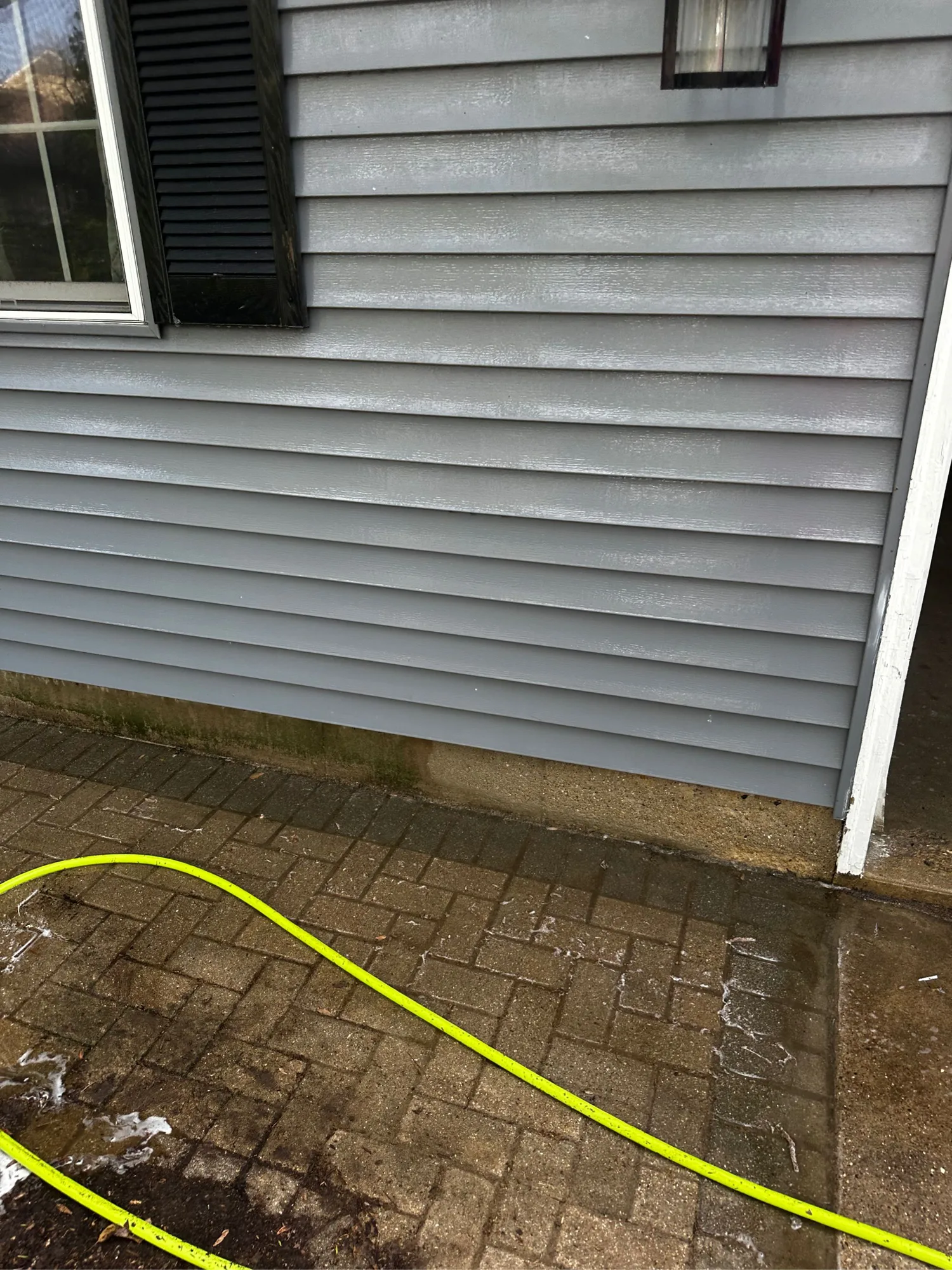
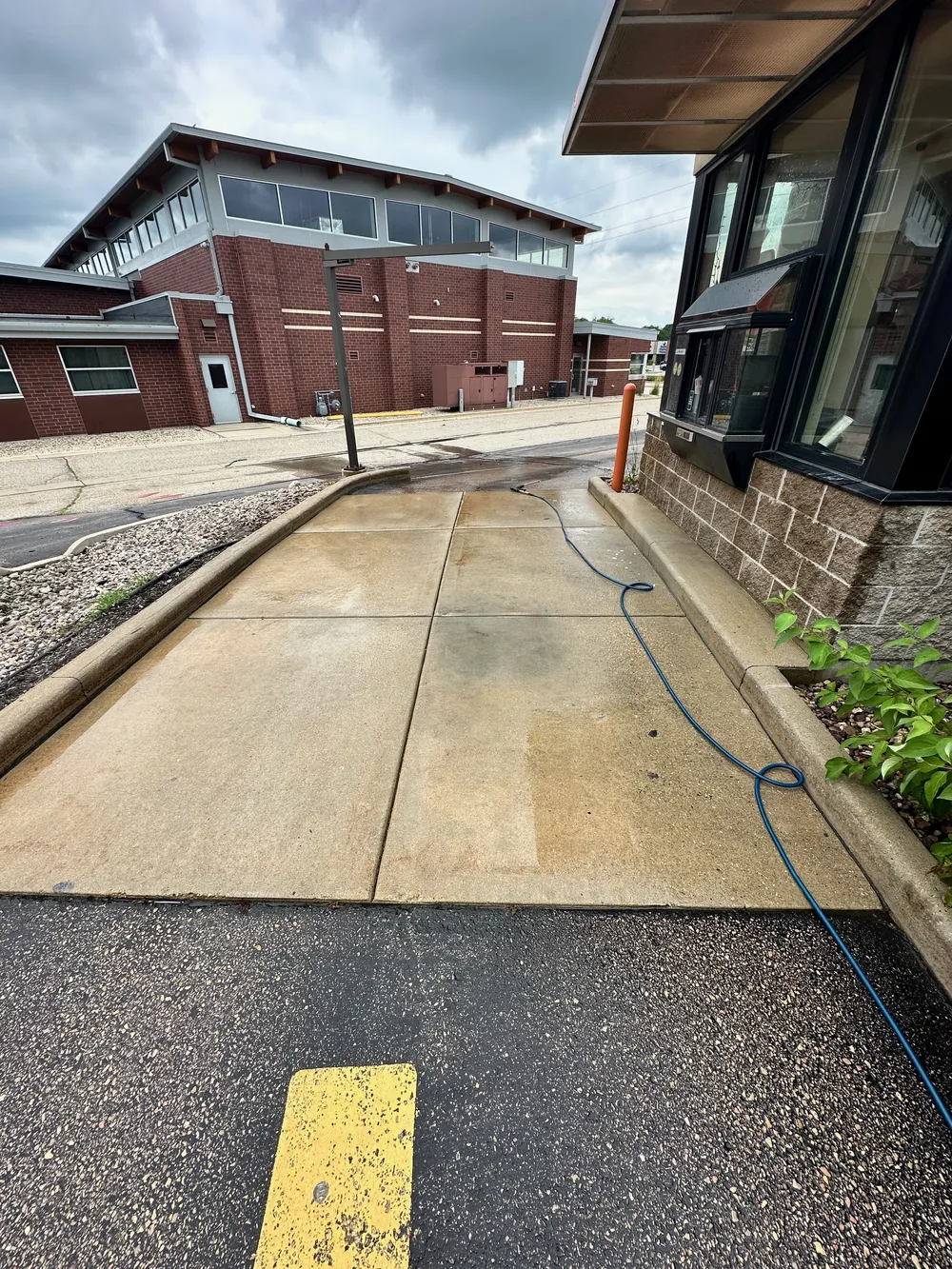
Real Results — Paver Patio Lifespan in Madison, WI
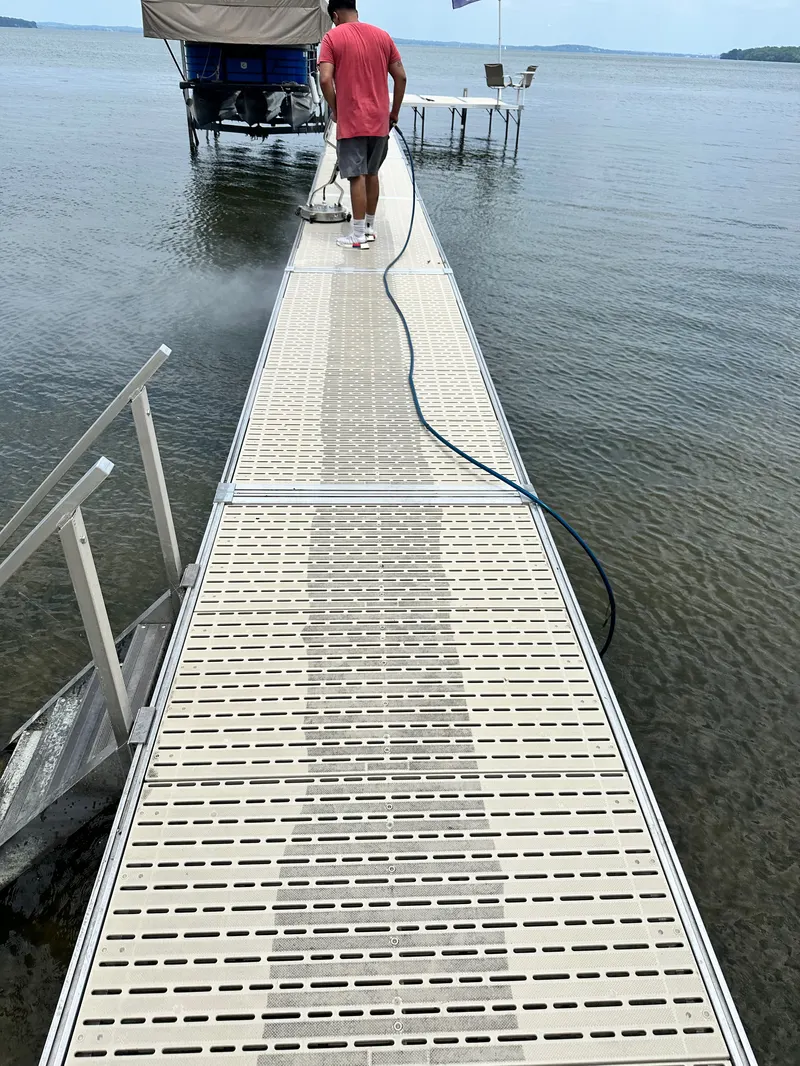
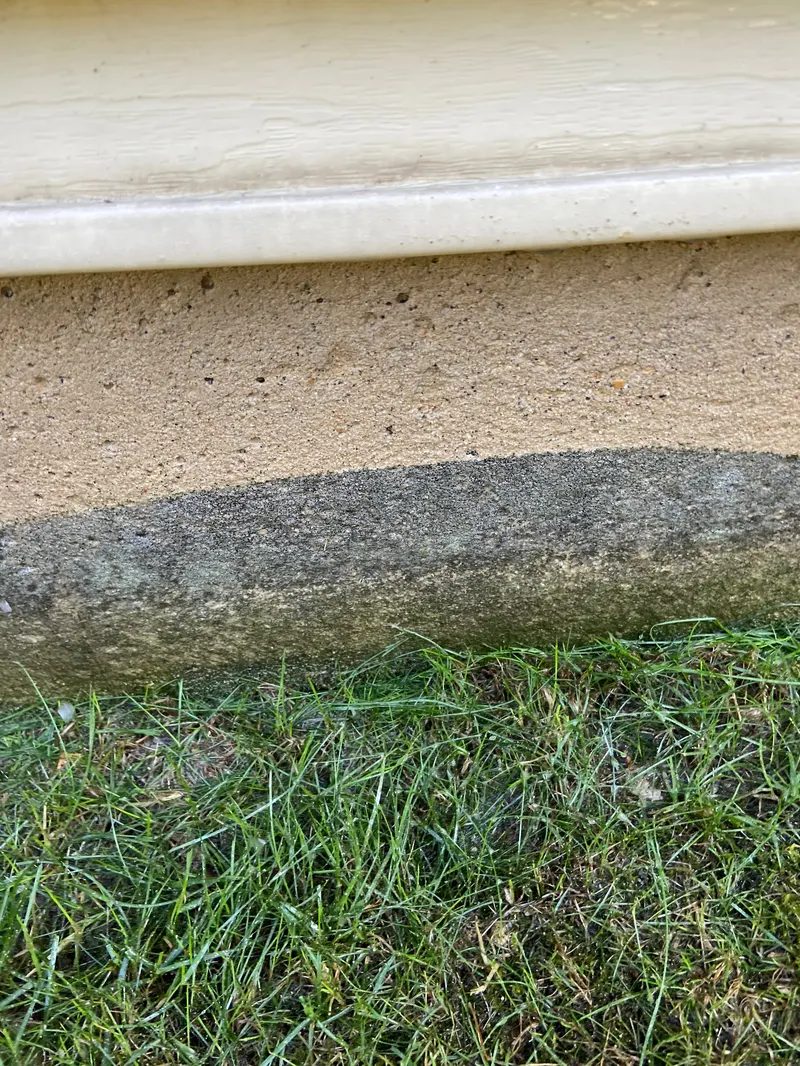
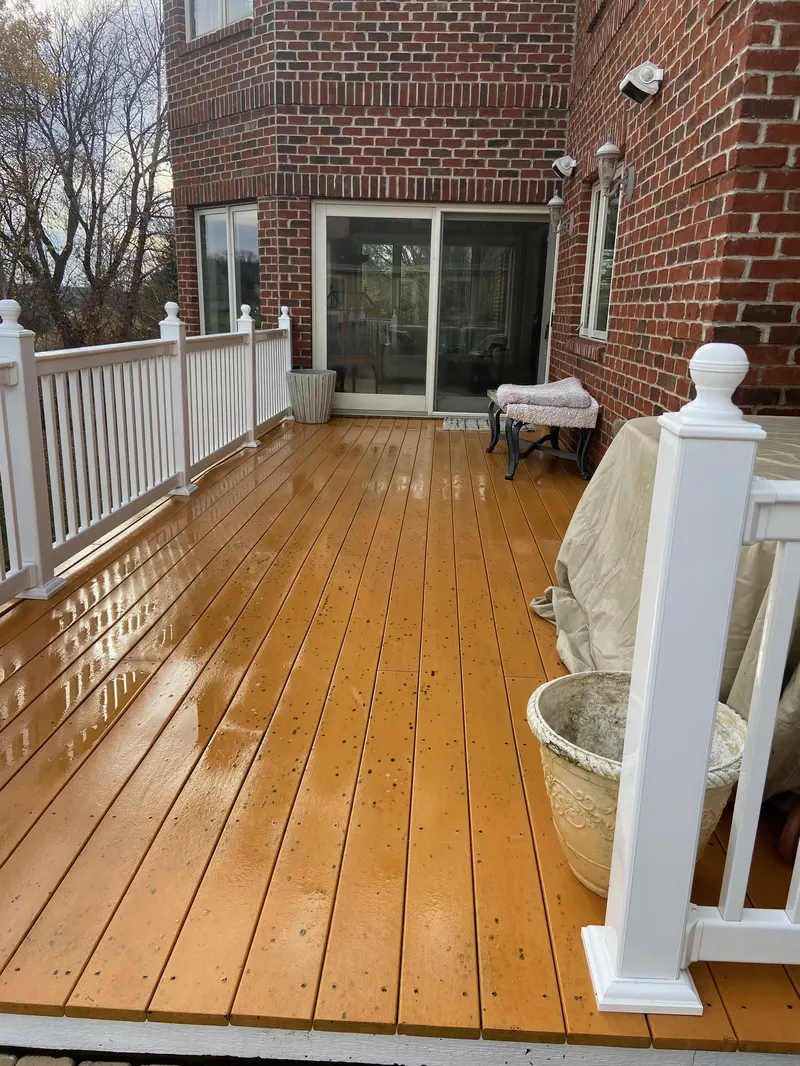
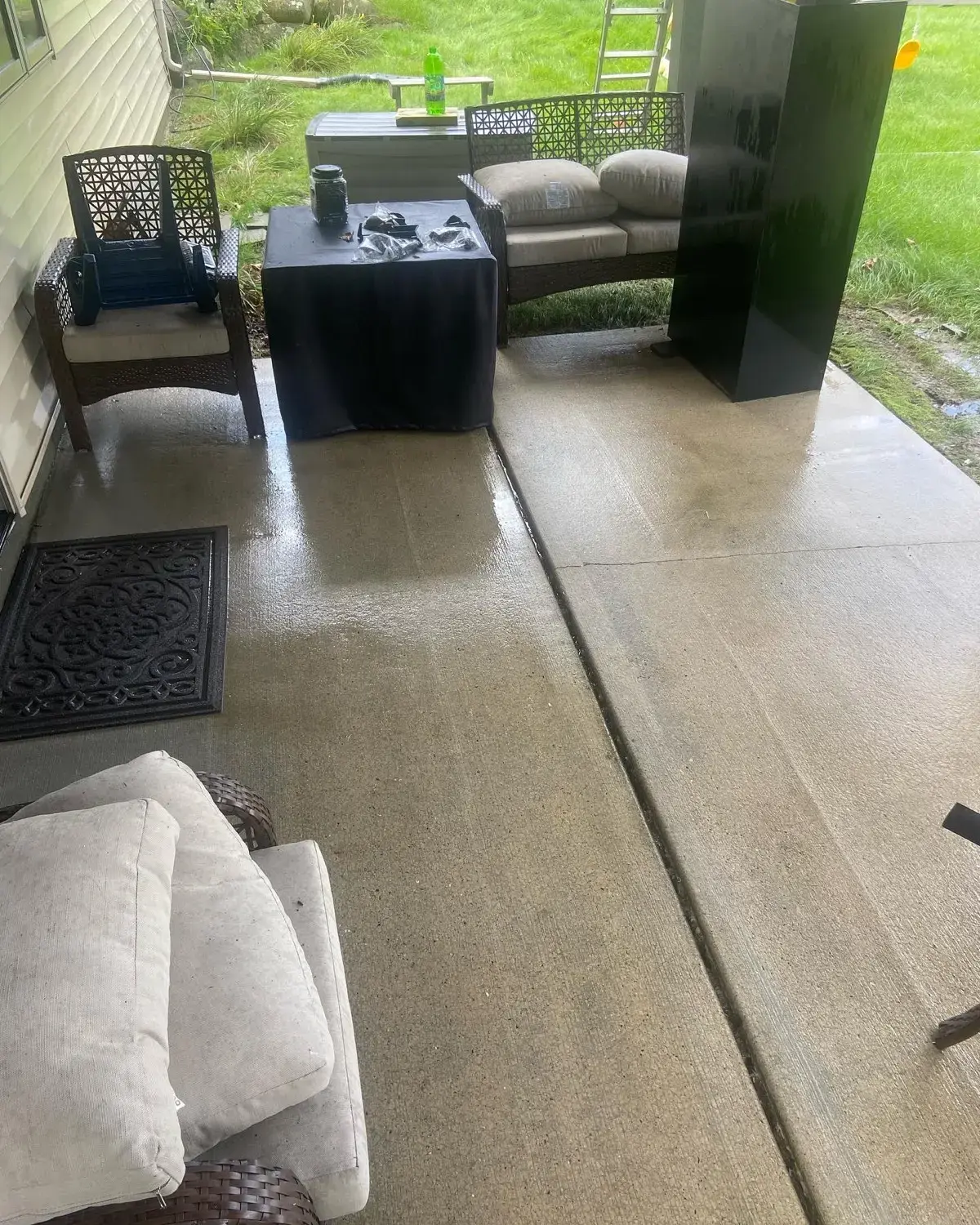
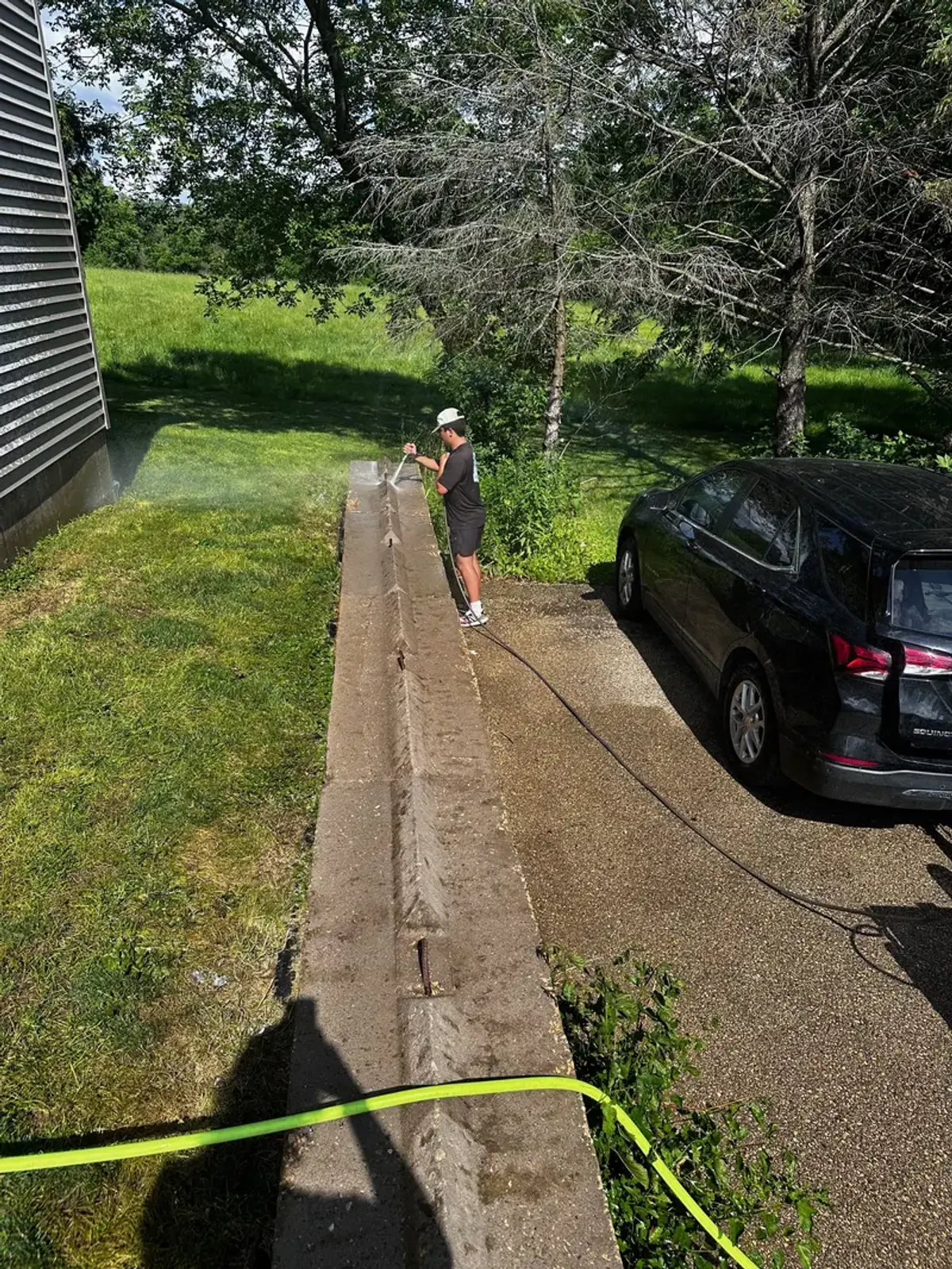
Actual job photos from The Total Wash Co. — not stock photography
More results
Frequently Asked Questions
"Ashton & team did a great job at my home. After I struggled to clean my paver patio, they came with not only the experience - but the right equipment to do the job. It now looks fantastic! And they were mindful to not go too aggressive, which can damage pavers. Ashton also tackled my front step (concrete) and it's never been cleaner - night & day difference. Highly recommended!"
"They finished everything in a timely manner and worked around time constraints. Would recommend them to anyone!"
Serving Your Neighborhood
Written by
The Total Wash Co. Team
Window cleaning, pressure washing and exterior cleaning · Madison, WI
The Total Wash Co. has served Madison and Dane County since 2021. More about us