Slip-and-fall liability — the actual exposure
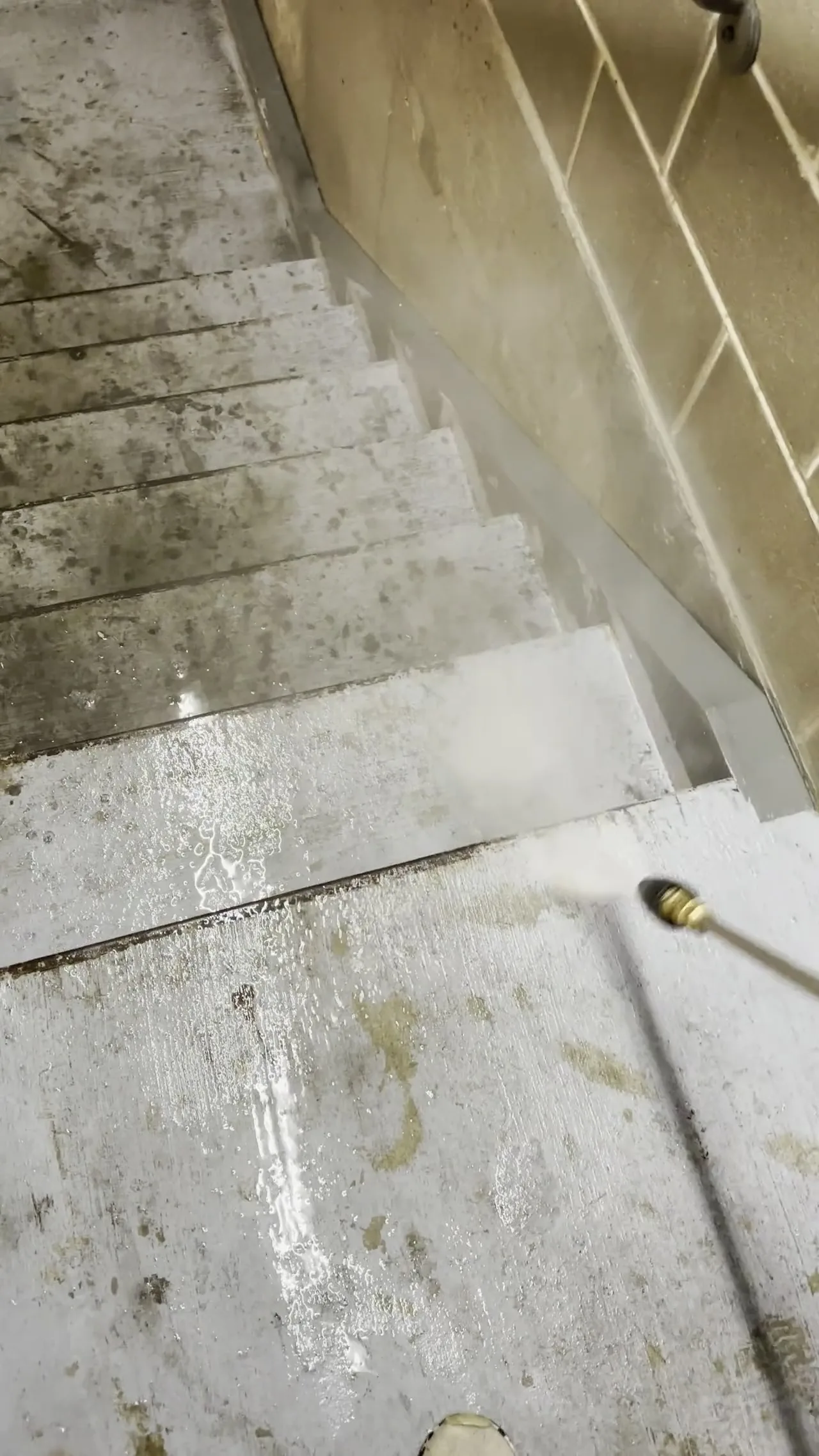
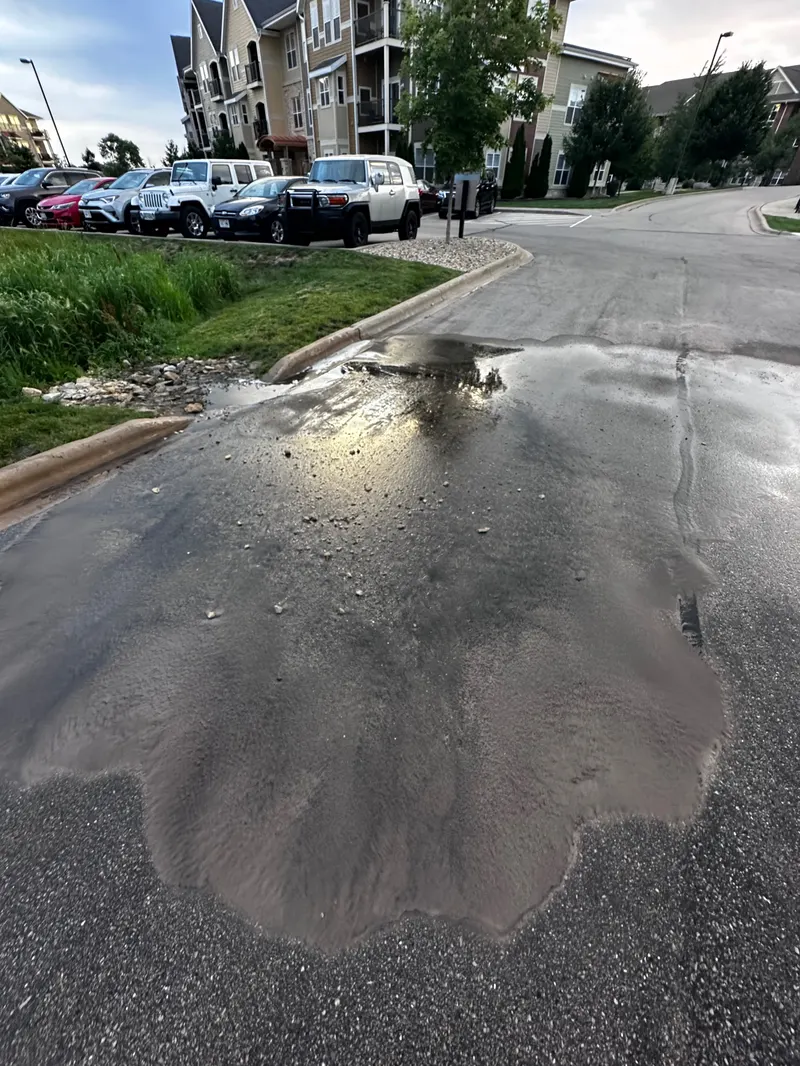
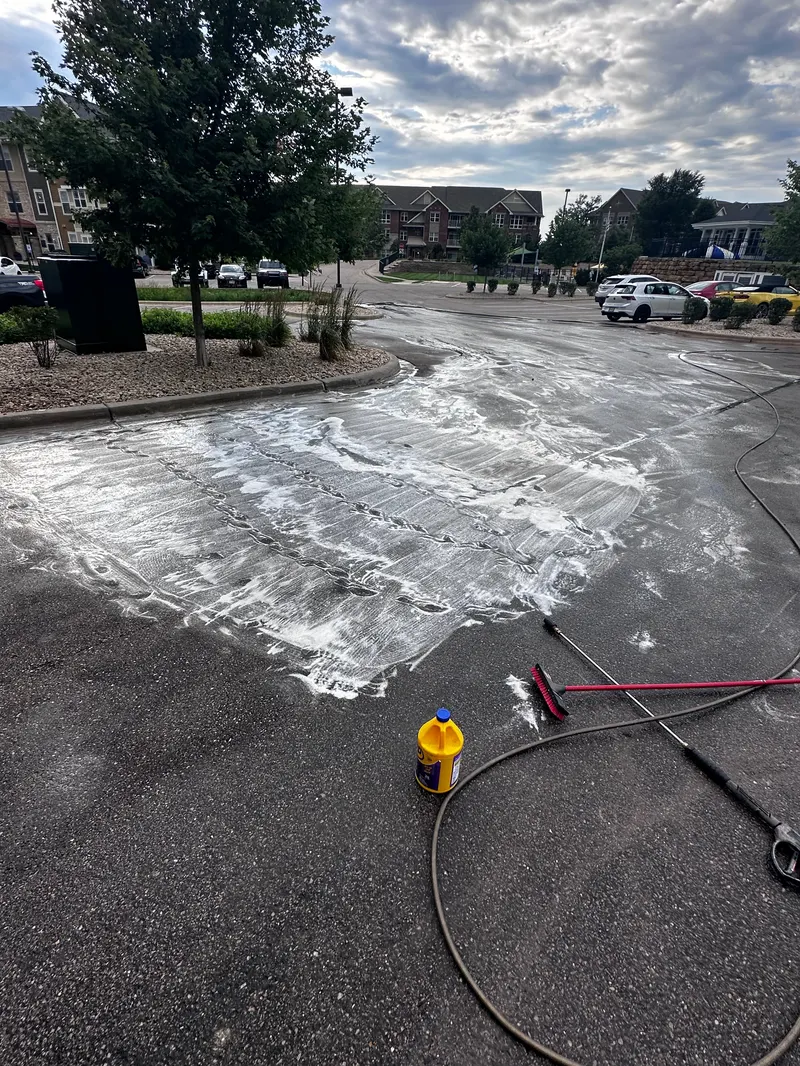
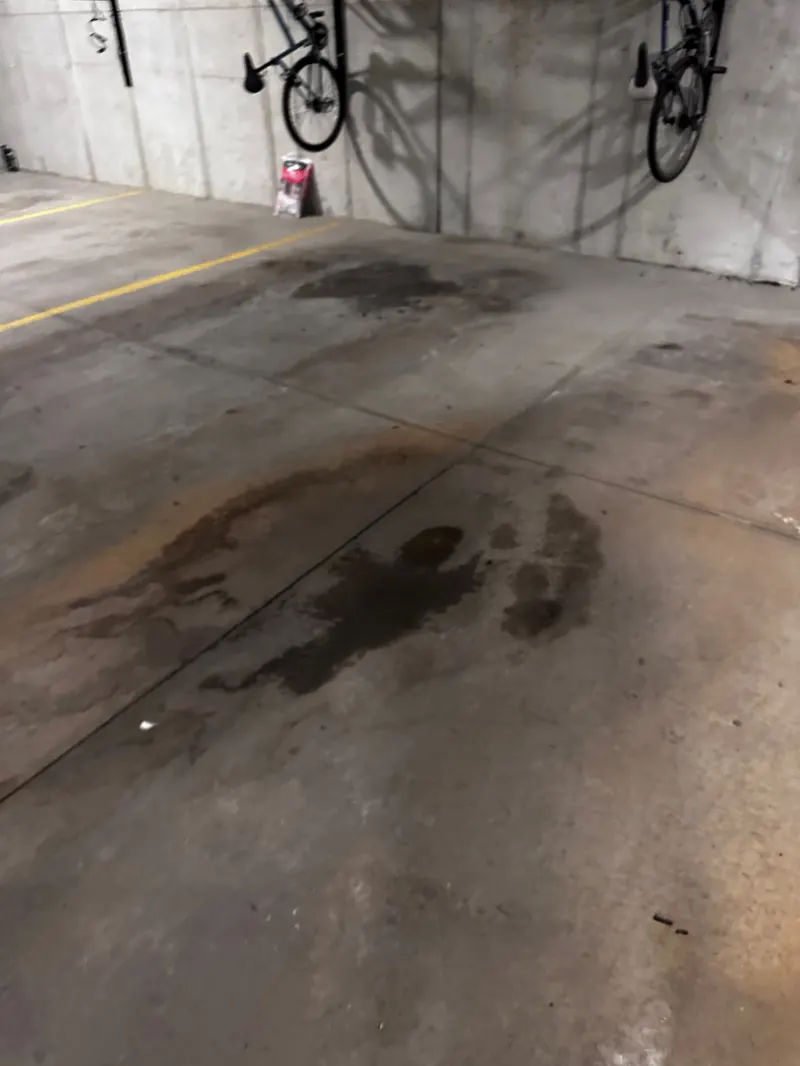
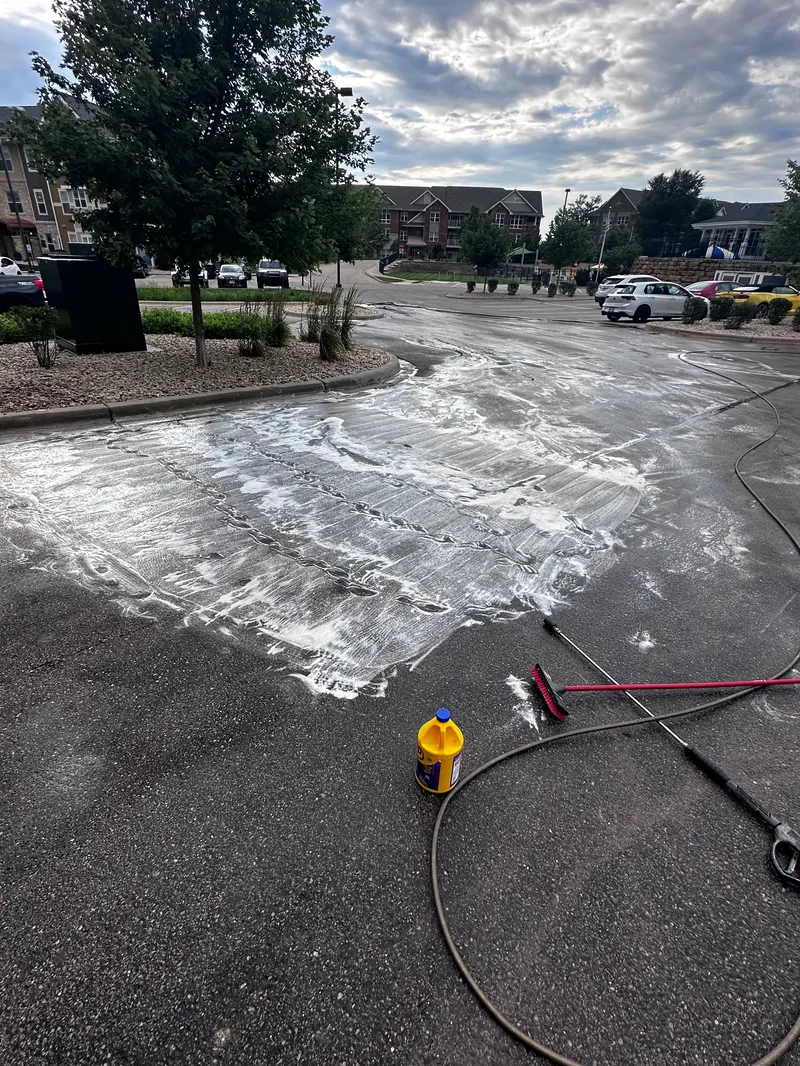
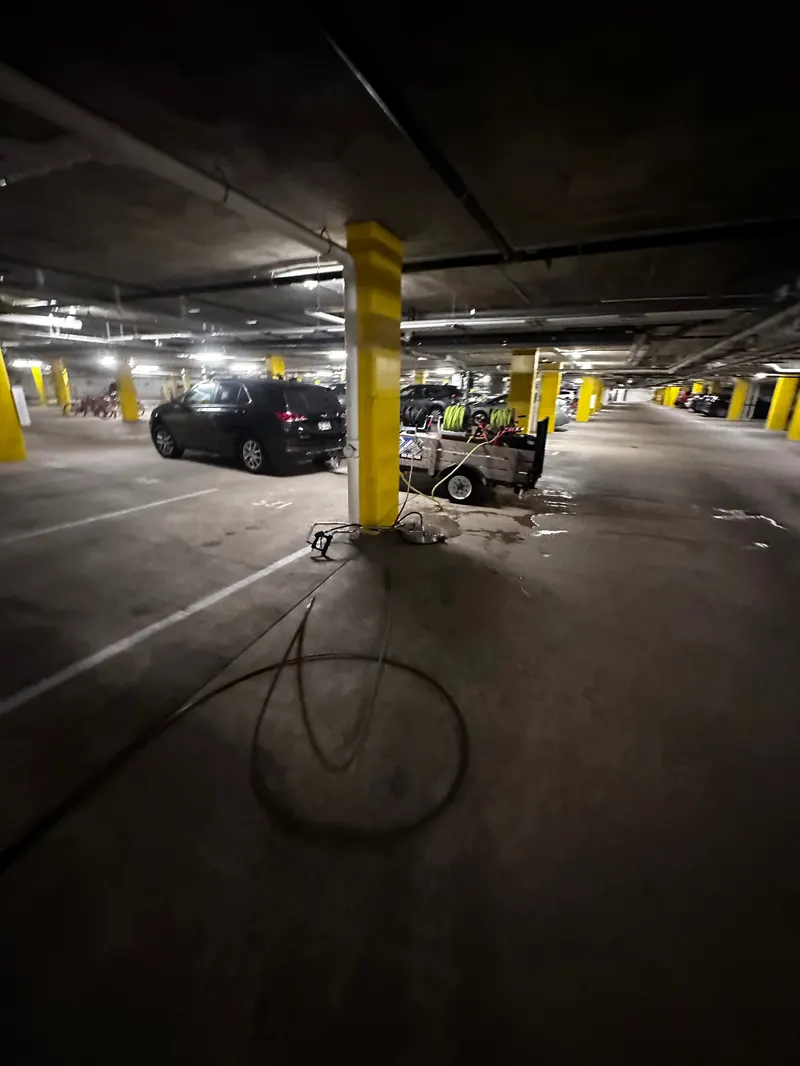
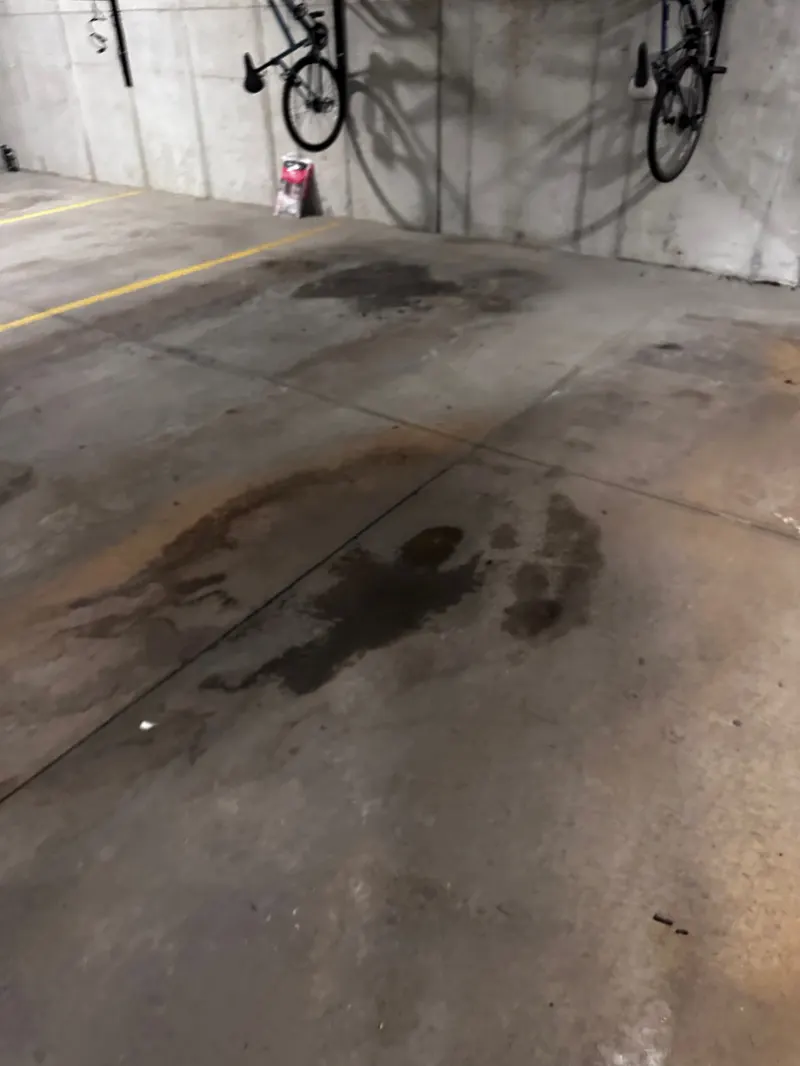
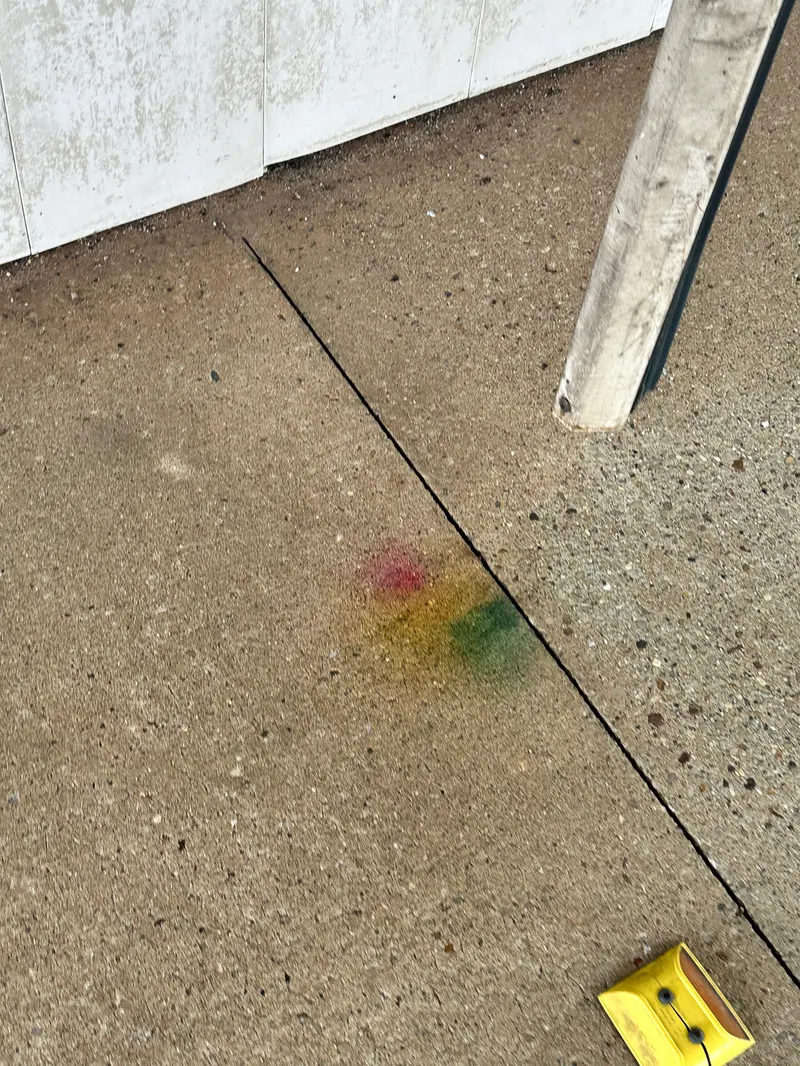
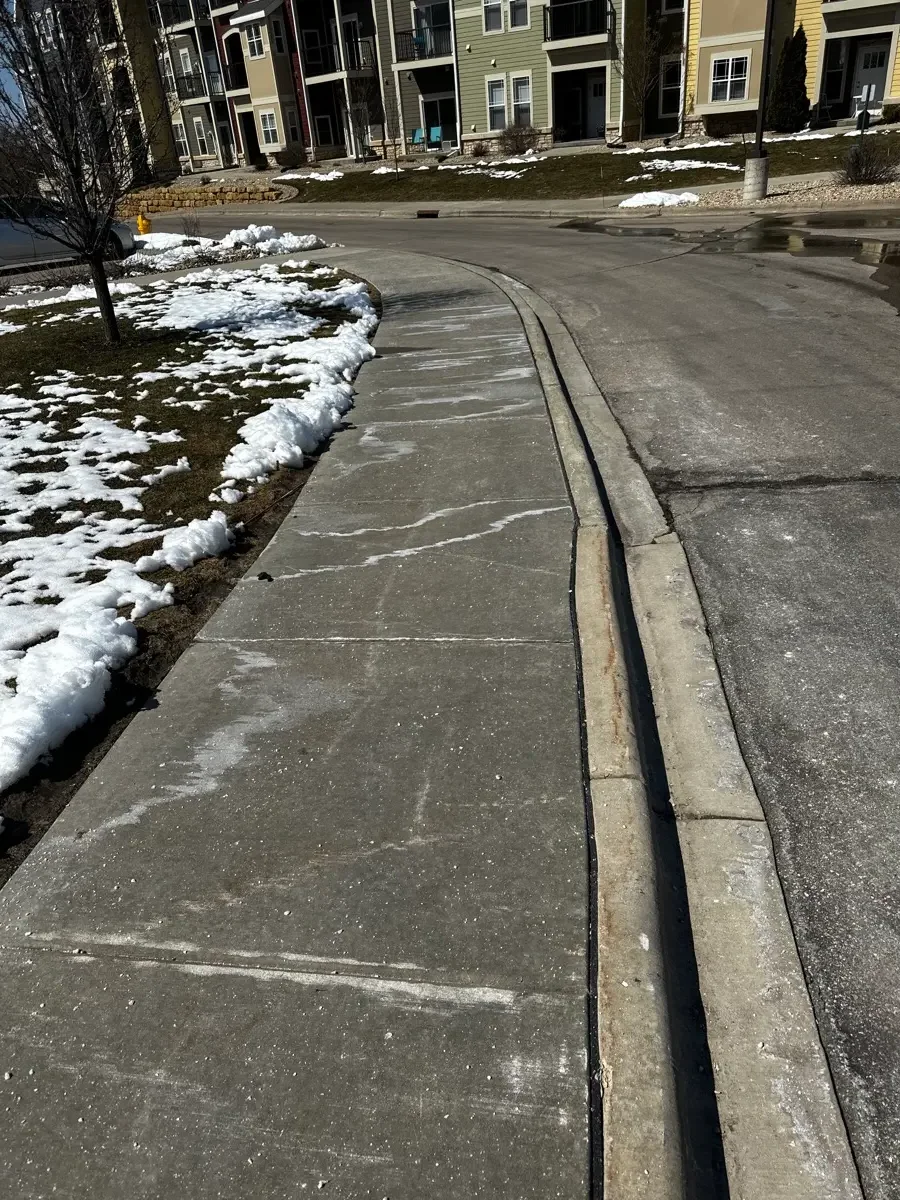
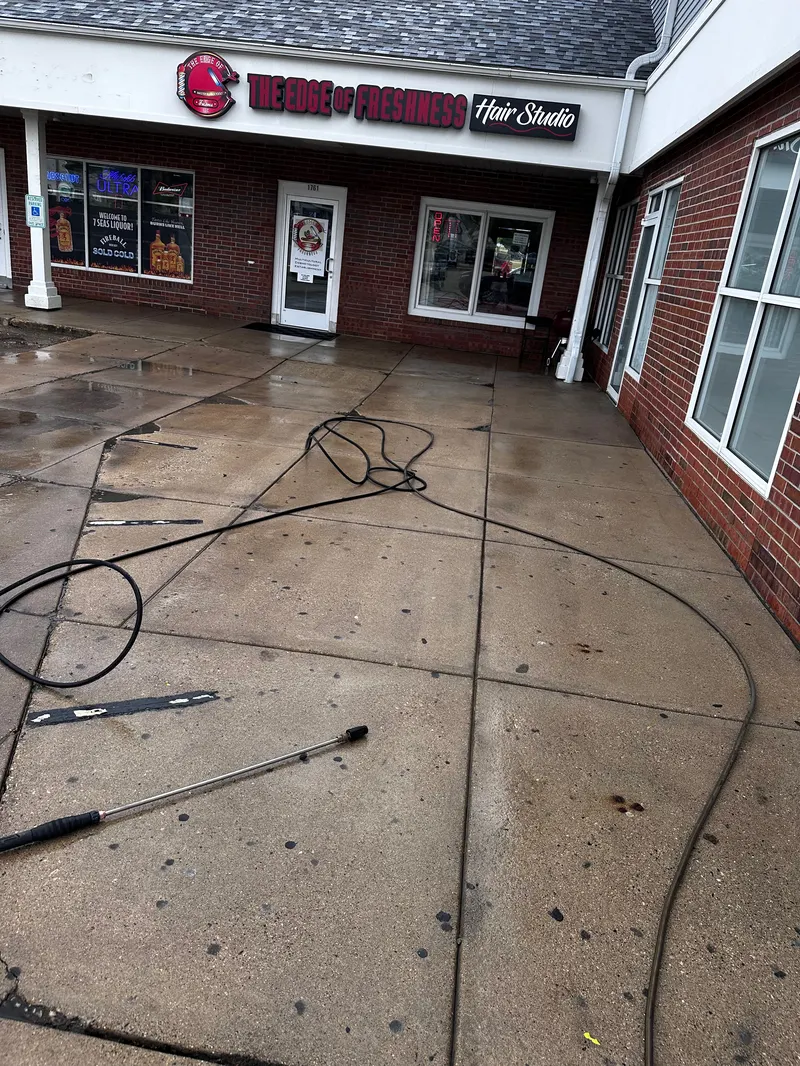
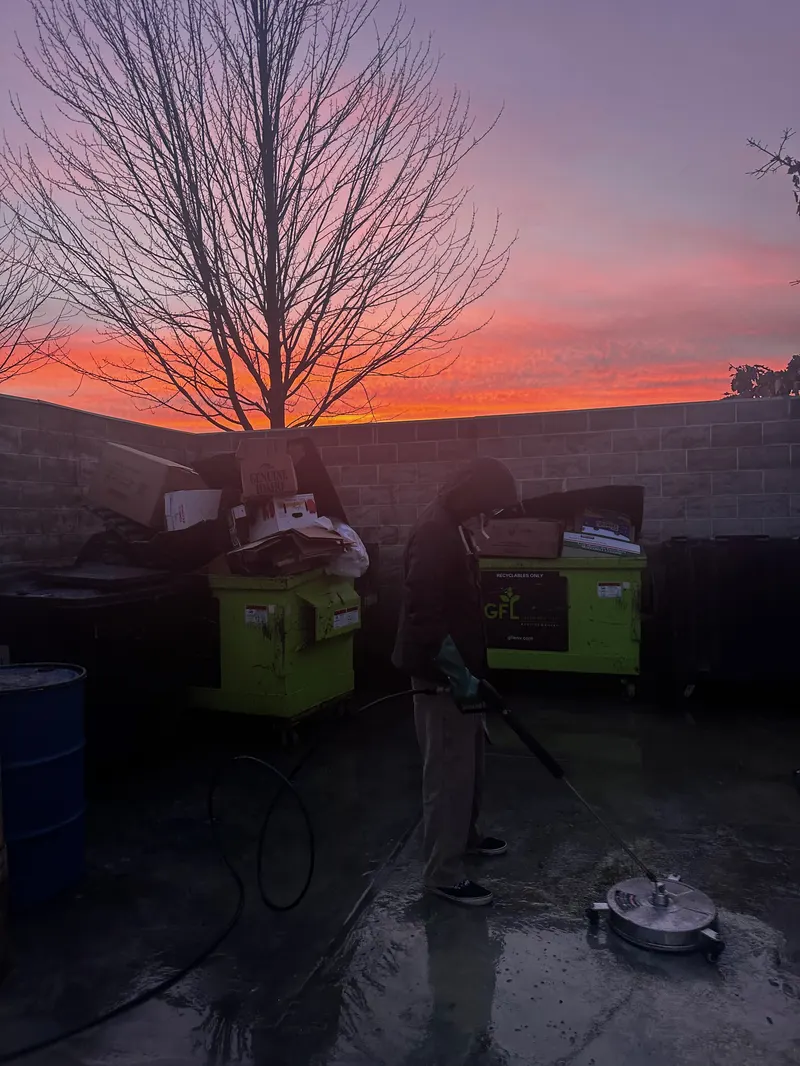
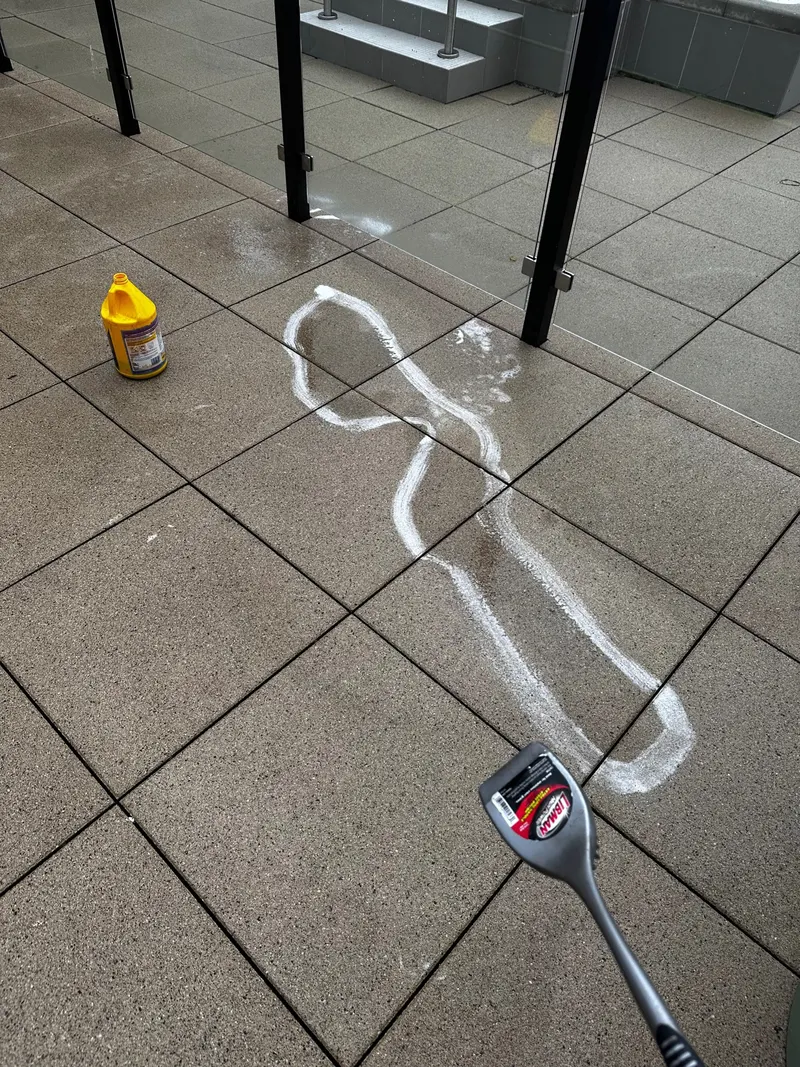
Commercial parking surfaces — open surface lots and multi-level parking garages alike — are the single highest slip-and-fall liability exposure on most commercial properties, and that exposure compounds every year a deep cleaning is deferred. Three failure modes drive it. One — algae and biofilm on shaded north-side concrete: invisible until wet, then catastrophically slippery (coefficient of friction can drop from 0.8 dry to under 0.3 wet on biofilm-coated concrete, well below the ADA-recommended 0.5 minimum for accessible routes). Two — embedded motor oil on parking-stall concrete: oil that penetrated unsealed concrete pores becomes slick film during every rain event, particularly hazardous on ADA ramps and accessible-parking access aisles. Three — accumulated gum on high-foot-traffic sidewalks and entries: each gum spot is a small but real trip hazard, particularly for elderly or mobility-impaired visitors, and a chronic gum-stained sidewalk creates documentary evidence of deferred maintenance that plaintiff's attorneys love at deposition. Our parking cleaning program isn't about appearance — it's about driving the coefficient of friction back above 0.5, extracting embedded oil before it wicks, and clearing trip hazards. Quarterly visits are the floor for any commercial property with daily customer foot traffic. Insurance reductions sometimes follow documented quarterly cleaning records — worth asking your commercial property carrier.