Table of Contents
- 1Oil Stains on Garage Floor: What Actually Works vs What Wastes Money
- 2Why Madison Garage Floors Are Especially Hard to Clean
- 3Fresh Oil Spills: What to Do in the First 30 Minutes
- 4Older Stains: What the Internet Recommends vs. What Actually Works
- 5How Professional Oil Stain Removal Actually Works
- 6What About Enzyme and Bio-Based Cleaners?
- 7Preventing the Next Stain: Sealing Your Garage Floor
- 8Frequently Asked Questions
Quick Answer
Oil stains garage floor removal comes down to two things: how old the stain is and whether you're using a product that actually breaks petroleum bonds instead of just pushing oil deeper into the slab. Fresh spills — we're talking within the first hour — can often be managed with absorbents and a goo
Oil Stains on Garage Floor: What Actually Works vs What Wastes Money
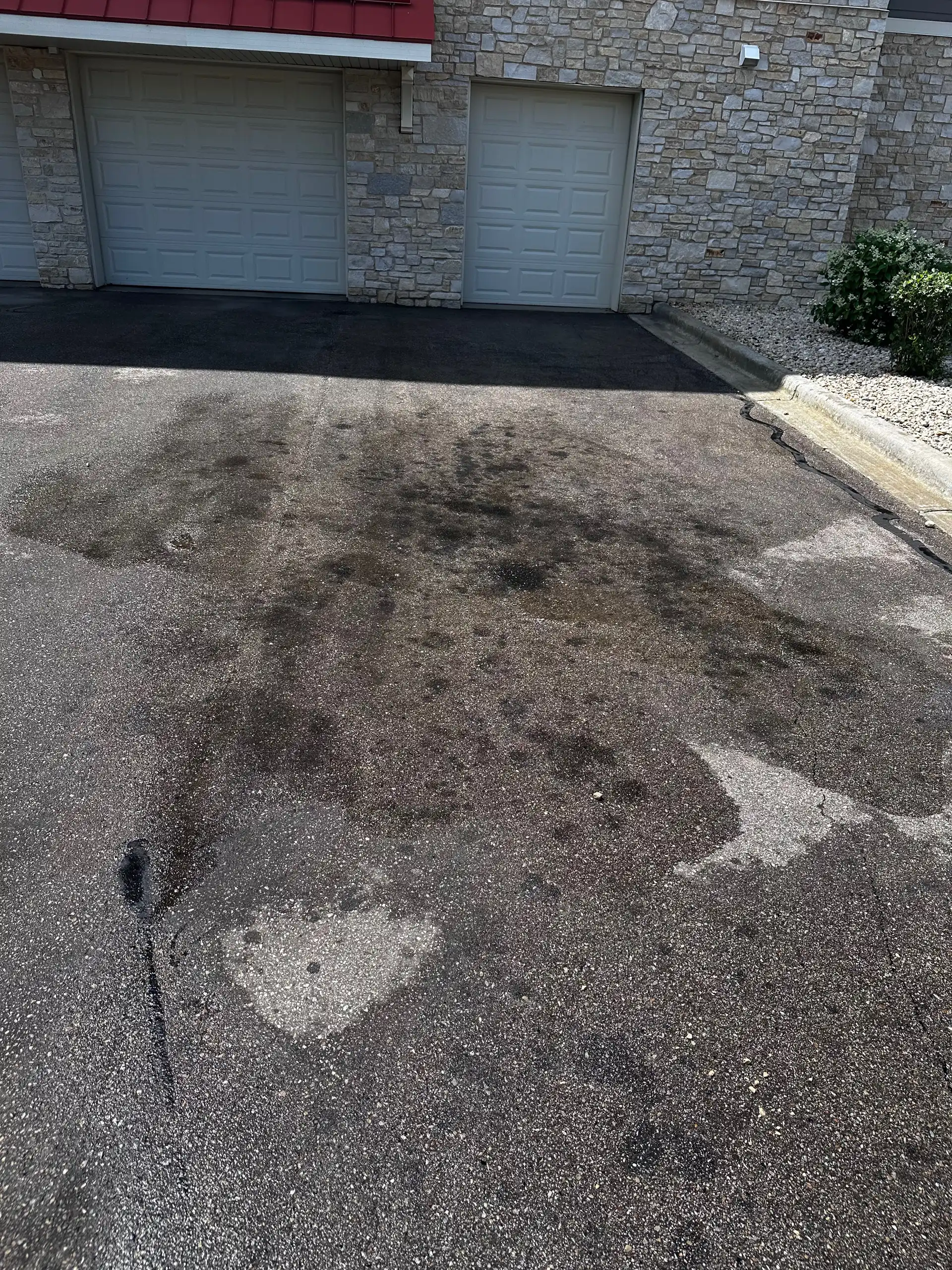
Oil stains garage floor removal comes down to two things: how old the stain is and whether you're using a product that actually breaks petroleum bonds instead of just pushing oil deeper into the slab. Fresh spills — we're talking within the first hour — can often be managed with absorbents and a good degreaser. Stains that have been sitting through a Madison winter or two? You're looking at 3–4 rounds of chemical treatment, a stiff wire brush, and possibly a professional concrete cleaning service. Pricing for professional oil stain removal in Madison runs $150–$350 for a standard two-car garage floor, depending on stain age, square footage, and how deeply the oil has penetrated. I'll walk you through what actually works, what the internet keeps recommending that wastes your money, and why Wisconsin's freeze-thaw climate makes this harder than any YouTube video lets on.
Why Madison Garage Floors Are Especially Hard to Clean
Here's something most generic "how to remove oil stains" articles skip entirely: your concrete slab in a Madison garage is not the same as a garage floor in Phoenix or Atlanta. Our freeze-thaw cycles — and we average well over 100 freeze-thaw events per winter season in Dane County — force water into the micro-pores of your concrete slab, where it expands, cracks the structure slightly, and makes the surface progressively more porous year after year. More pores mean oil penetrates deeper. A stain that soaks in during November and sits through a Wisconsin winter isn't just on the surface anymore by March — it's worked its way down into that slab.
On top of that, the road salt and deicers we track in off Beltline ramps and neighborhood streets accelerate surface scaling and micro-pitting on your garage floor. Salt corrodes the cement paste between aggregate particles, opening up even more microscopic channels for motor oil and transmission fluid to sink into. I've seen floors in Nakoma and Maple Bluff neighborhoods — older homes, older slabs — where a five-year-old oil stain has essentially become part of the concrete matrix. That's not an exaggeration. That's just what cold, salty, porous concrete does to petroleum products.
The other factor people overlook: chemical reaction rates slow down in cold temperatures. If your garage sits at 35–40°F through most of March — which is totally normal in Madison — your degreaser is working at a fraction of its rated effectiveness. Enzymes in bio-based cleaners essentially go dormant below 50°F. So timing your oil stain removal attempt for a warm day in late spring or early summer isn't laziness — it's smart chemistry.
Fresh Oil Spills: What to Do in the First 30 Minutes
If the spill just happened, you have a real window to prevent a permanent stain. The goal here is absorption before the oil migrates deeper into the concrete pores. Both Allstate and American Family Insurance (two sources that, interestingly, have solid guidance on this) agree that absorbents work best on fresh, wet oil.
Clay cat litter is the most commonly recommended absorbent, and it genuinely works — but only if you leave it long enough. For small fresh spills, 30 minutes of dwell time is the minimum before you sweep and scrub. For larger spills, leave it overnight. I've seen homeowners in Sun Prairie and Fitchburg dump cat litter on a spill, sweep it up five minutes later, and wonder why the stain is still there. Patience is literally half the method.
Baking soda works similarly as an absorbent — leave it 30 minutes, then scrub and rinse. It's gentler and won't scratch a sealed floor, but it's not dramatically better than cat litter. Either works if the oil is still wet.
After you've pulled up the absorbent, hit the spot immediately with dish soap or laundry detergent and hot water. Hot water is key — it begins separating petroleum molecules from the concrete surface in a way that cold water simply doesn't. Scrub with a stiff-bristle brush, rinse thoroughly, and repeat if needed. For a genuinely fresh spill caught within an hour, this routine is often all you need.
One critical note: whatever absorbent material you use — cat litter, sand, rags — don't dump it in the yard or street. Oil-contaminated absorbents should be bagged and disposed of with your solid waste per EPA spill-prevention guidance. And oily wash water should never run to the storm drain; those drains feed directly into Lake Mendota and Lake Monona without treatment. Let it soak into a gravel or vegetated area, or collect it and dispose of it properly.
Older Stains: What the Internet Recommends vs. What Actually Works
This is where most of the bad advice lives. Let me go through the common DIY suggestions honestly.
WD-40: I see this recommended constantly, and I've tested it. The theory is that WD-40 displaces the old oil and lifts it. In practice — and a side-by-side comparison of four methods backs this up — kitty litter and WD-40 both had little to no visible effect on set oil stains. WD-40 is a lubricant. You're essentially adding more petroleum to a petroleum problem. Skip it.
Cola (Coca-Cola): The phosphoric acid in cola does have mild cleaning properties. You're supposed to let it sit 20 minutes to a few hours, then scrub. Does it work? Marginally, on very light surface staining. For anything that's been sitting more than a week, it's a waste of a two-liter and your Saturday afternoon.
Oven cleaner: This one actually has some merit. The sodium hydroxide (lye) in oven cleaner is an alkaline degreaser that can break down petroleum bonds. Spray it on, let it sit 5–10 minutes, scrub, and rinse at high pressure. You'll likely need to repeat the process. It's not my first recommendation because lye can damage some sealed concrete finishes and is genuinely caustic — wear gloves and eye protection — but it does work better than cola or WD-40.
TSP (trisodium phosphate) and concrete etching products: This is where results get real. The same four-method comparison found that TSP and a product like Drylok Etch removed oil stains effectively — but required 3–4 applications plus aggressive scrubbing with a wire brush to get the concrete looking close to original. That's not a quick Saturday project. That's a committed multi-day effort. TSP is also restricted or regulated in some formulations due to phosphate runoff concerns, so check that you're getting a full-strength product if you go this route.
Commercial concrete degreasers: Products like Goof Off Concrete Cleaner or Purple Power diluted appropriately are genuinely effective for garage floor oil stain removal. One important detail from real-world testing: the standard dilution rate on the label (roughly 1.5 oz per gallon) often isn't strong enough for heavy contamination. A stronger mix — around 1 oz per 20 oz water, which is about six times the label strength — performed significantly better on heavy stains in user testing. For deep, set stains, you also want to apply the product at roughly 1/8 to 1/4 inch thickness over the stain, extending about an inch past the visible edge. Thin applications evaporate before they've had time to penetrate and react.
Bottom line on DIY for older stains: it's absolutely worth trying before calling a pro, but go in knowing you'll need multiple rounds, the right chemistry at the right concentration, and patience. If you've done three rounds of TSP or commercial degreaser and the stain is still clearly visible, that's the point where professional concrete cleaning makes financial sense.
How Professional Oil Stain Removal Actually Works
When we get called out to a garage floor in Shorewood Hills or Middleton for oil stain removal, here's the actual process — no mystery to it.
First, we pre-treat the stain with an appropriate commercial degreaser. We do not just hit it with high pressure out of the gate. High pressure alone pushes emulsified oil laterally across the surface and can etch or pattern older concrete — you end up with a larger, lighter stain instead of one concentrated dark spot. Chemistry does the heavy lifting; pressure washing removes the chemistry and the broken-down petroleum residue.
For heavy oil contamination, we use hot water where possible. Hot water pressure washing on petroleum stains produces meaningfully better results than cold water — it accelerates the emulsification of oil and helps it lift from the surface rather than redeposit.
We use a rotary surface cleaner rather than a wand for most garage floor work. A surface cleaner keeps the pressure even across the slab, prevents striping patterns, and contains the wash water so it doesn't run directly to the driveway and into the street drain.
Honestly? Very deep, very old stains — the ones that have been penetrating a porous Dane County garage floor for five or more winters — won't come out 100% even with professional cleaning. I'll tell you that upfront. What professional cleaning does is remove most of the visible staining, improve overall floor appearance dramatically, and prep the surface for sealing, which prevents future stains from penetrating as deeply. If you're thinking about applying a concrete sealer after cleaning, that's usually the right call for any garage floor in Madison.
Pricing for professional garage floor oil stain removal in Madison runs $150–$350 for most residential jobs. Factors that push toward the higher end: older stains, larger garage, heavily pitted or scaled concrete from salt exposure, and whether you want a post-clean sealer applied.
What About Enzyme and Bio-Based Cleaners?
Enzyme and microbial-based concrete cleaners get a lot of buzz in the green-cleaning space, and they're genuinely effective — under the right conditions. The bacteria and enzymes in these products consume petroleum hydrocarbons at a molecular level, which sounds great. The catch: they need warmth and moisture to work. Below about 50°F, microbial activity essentially stalls.
If you're trying to tackle a garage floor oil stain in a Madison garage that's been sitting at 40°F all winter, a bio-cleaner will do very little. This is the one method where I'd say: wait for summer. Apply it on a warm day (65°F+), keep the floor slightly moist, and give it 24–48 hours of dwell time. In those conditions, bio-cleaners can be surprisingly effective on stains that have resisted other methods — particularly for the faint residual ghost stain that remains after you've done the heavy chemical work. Think of them as a finishing treatment rather than a first-line solution.
Preventing the Next Stain: Sealing Your Garage Floor
The most cost-effective thing you can do after any oil stain removal effort is seal the concrete. A quality penetrating sealer or epoxy coating closes those micro-pores that freeze-thaw cycles have spent years opening up. Future oil spills sit on top of the surface instead of soaking in, which means they clean up in minutes instead of requiring multi-day treatment.
For unsealed garage floors in older homes throughout Waunakee, McFarland, Verona, and Stoughton — pretty much any home built before the mid-2000s — sealing is almost always worth the investment. A basic penetrating concrete sealer is a DIY-friendly project. Epoxy floor coatings give you a harder, more chemical-resistant surface and are the choice if you're doing a lot of work in the garage, but they require proper surface prep and ideally a professionally cleaned floor first.
The bottom line: you can spend $40 on a penetrating sealer and an afternoon, or you can spend the next five years fighting oil stains that sink deeper into your slab every winter. Madison's climate makes sealing less optional than it would be in a milder region.
Frequently Asked Questions
Q: Does pressure washing alone remove oil stains from garage floors?
A: Not effectively, no. High pressure without chemical pre-treatment mostly moves oily residue around the surface rather than breaking the petroleum bond with the concrete. The right approach is to pre-treat with a commercial degreaser — let it dwell at least 30–60 minutes on set stains — then rinse with a hot-water pressure washer using a rotary surface cleaner. Pressure alone can also etch older, pitted concrete if you're running 3,000 PSI at close range without a surface cleaner attachment.
Q: How much does professional garage floor oil stain removal cost in Madison, WI?
A: For most residential two-car garage floors in Madison, professional concrete cleaning with oil stain treatment runs $150–$350. Heavily stained older floors or larger three-car garages may run higher. That typically includes degreaser pre-treatment, hot-water pressure washing, and surface cleaner work. Concrete sealing after cleaning is usually quoted separately at $100–$200 for a standard garage.
Q: I've tried everything and there's still a ghost stain. Will that ever come out?
A: The honest answer: deep ghost stains — the faint discoloration remaining after multiple cleaning rounds — are often permanent in heavily porous or older concrete. That's especially true for stains that have gone through multiple Madison freeze-thaw cycles. What professional cleaning can do is reduce the stain significantly and prep the floor for sealing so future spills don't compound the problem. If the ghost stain bothers you aesthetically, an epoxy floor coating is the most effective way to cover it entirely.
Q: Is it safe to wash oily garage floor runoff into the street drain?
A: No. EPA stormwater guidance classifies petroleum products and oily wash water as pollutants when they enter storm drains, which discharge untreated into local waterways — including Lake Mendota and Lake Monona here in Madison. Professional services contain and manage wash water appropriately. If you're doing DIY cleaning, direct rinse water to a vegetated or gravel area rather than the storm drain, and bag used absorbents for solid waste disposal.
Q: What's the best time of year to tackle oil stains garage floor removal in Madison?
A: Late spring through early fall — roughly May through September — when concrete temperatures are above 60°F. Cold concrete (below 50°F) dramatically slows the chemical reaction rates of degreasers and essentially shuts down bio-based cleaners entirely. If you're hiring a professional, we can work year-round, but results are consistently better in warmer months, especially for older, deeply set stains.
Ready to schedule? Get a free quote → or call us at (608) 393-7899
Free — No Obligation
Get a Quote for This Service
Madison's most-reviewed exterior cleaning company. Same-week availability.
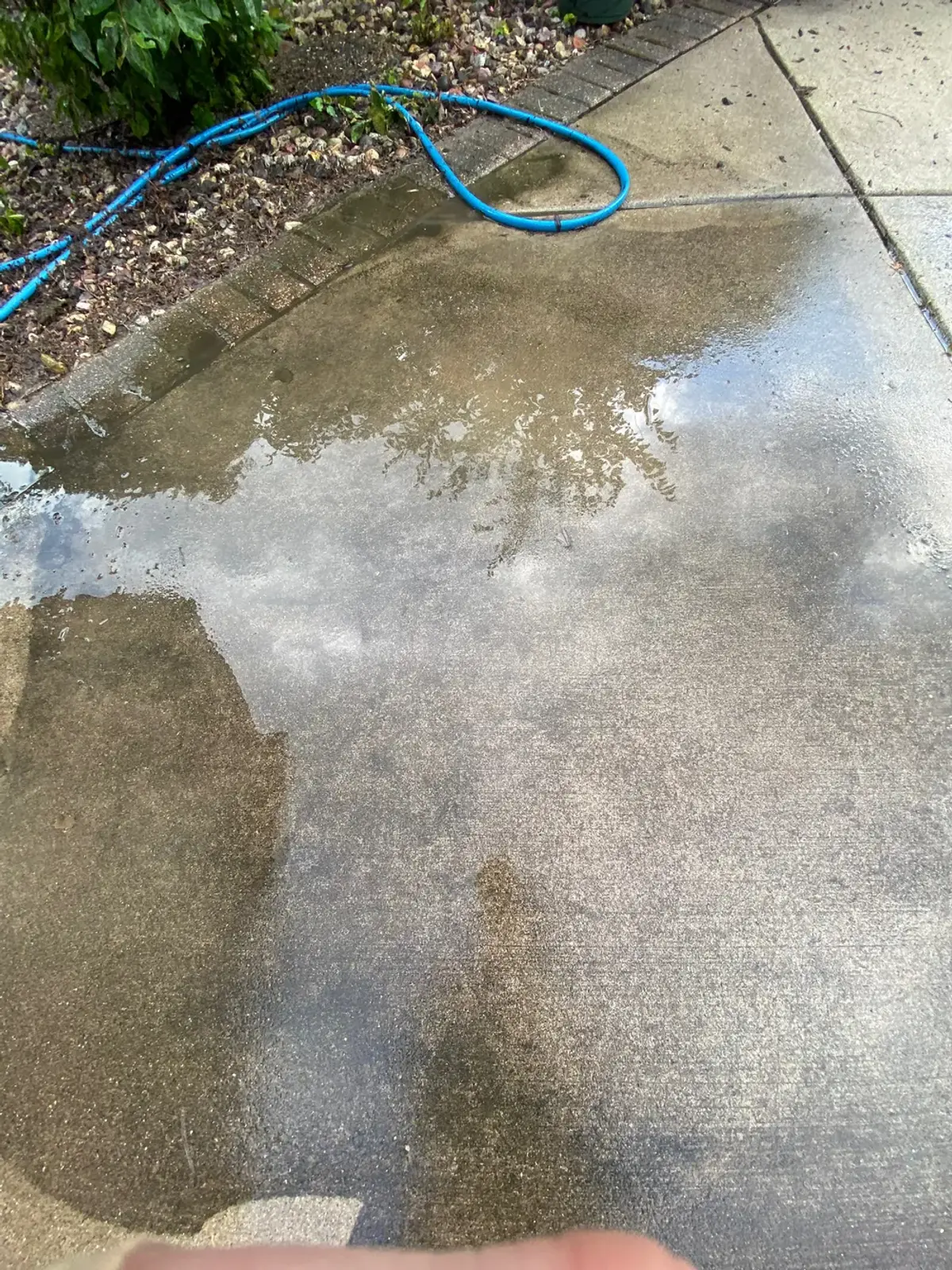
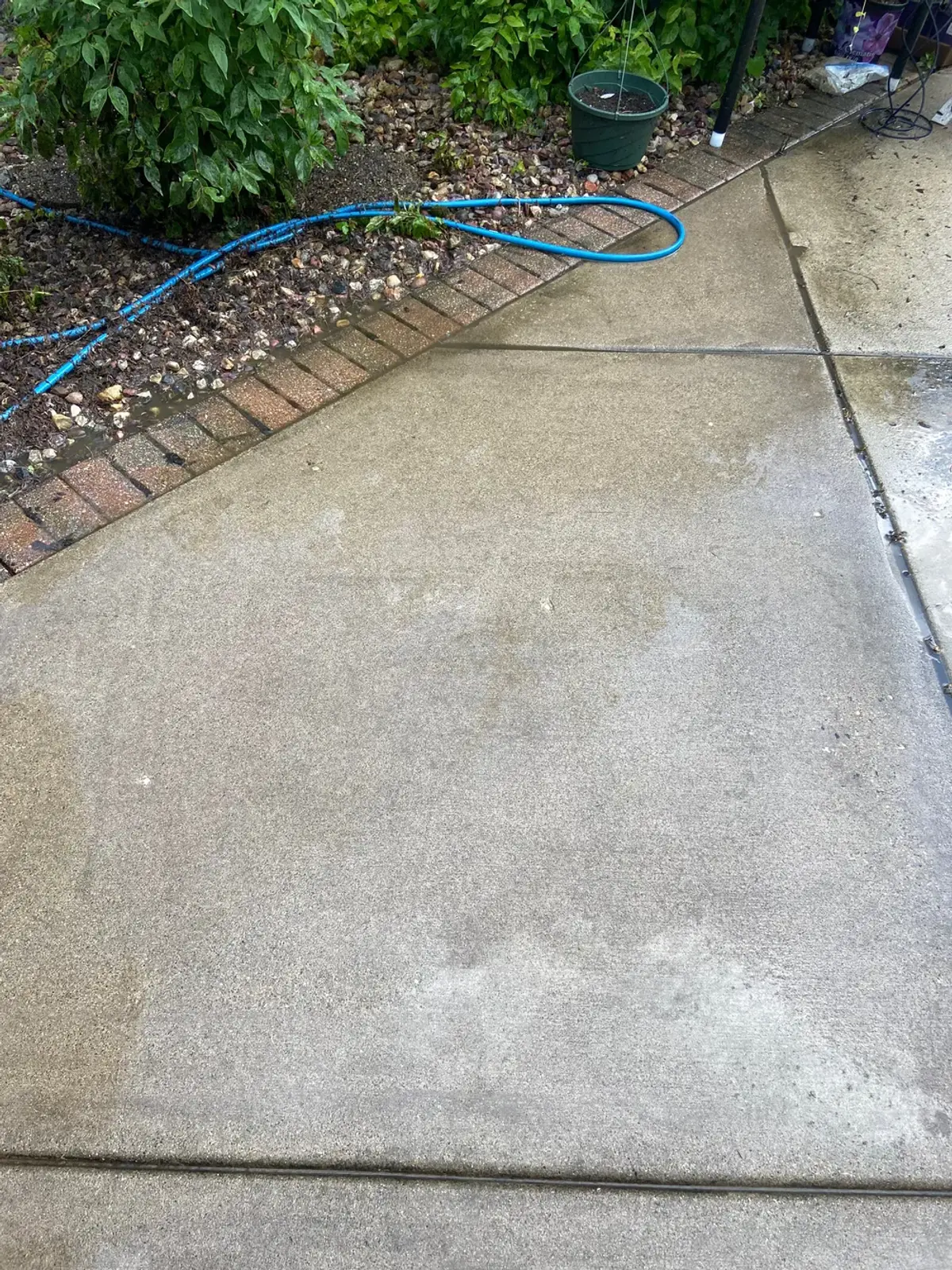
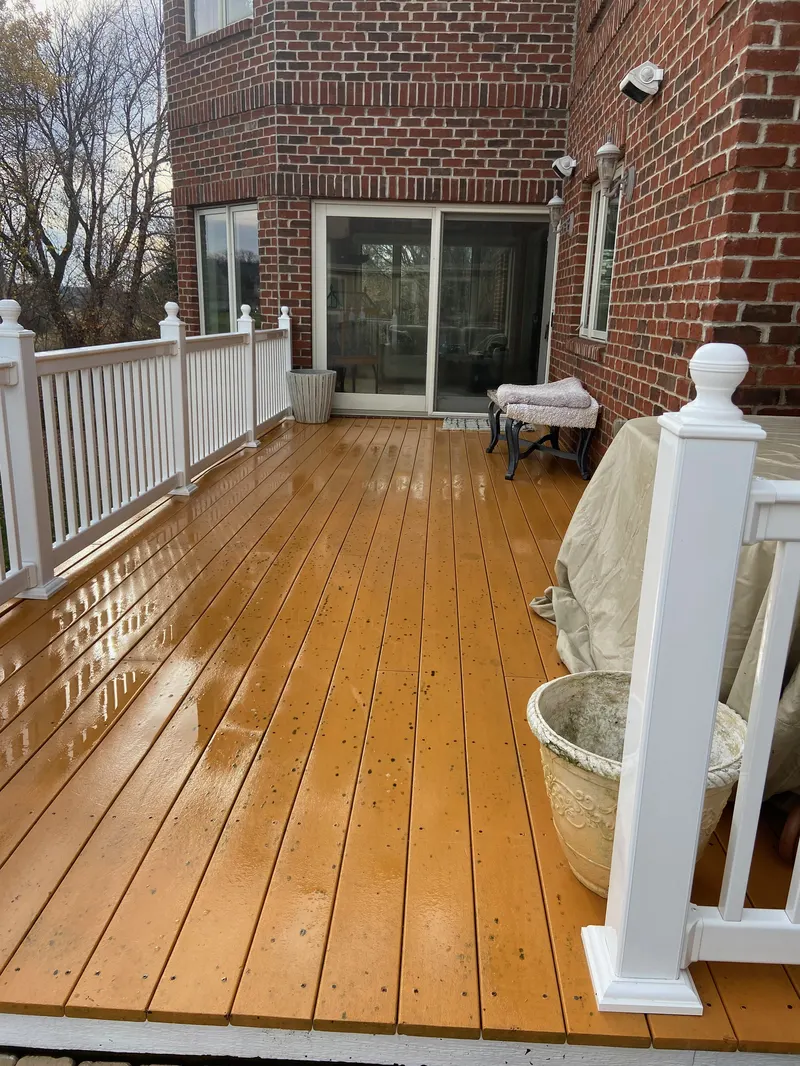
Real Results — Oil Stains Garage Floor Removal | Madison WI Guide in Madison, WI
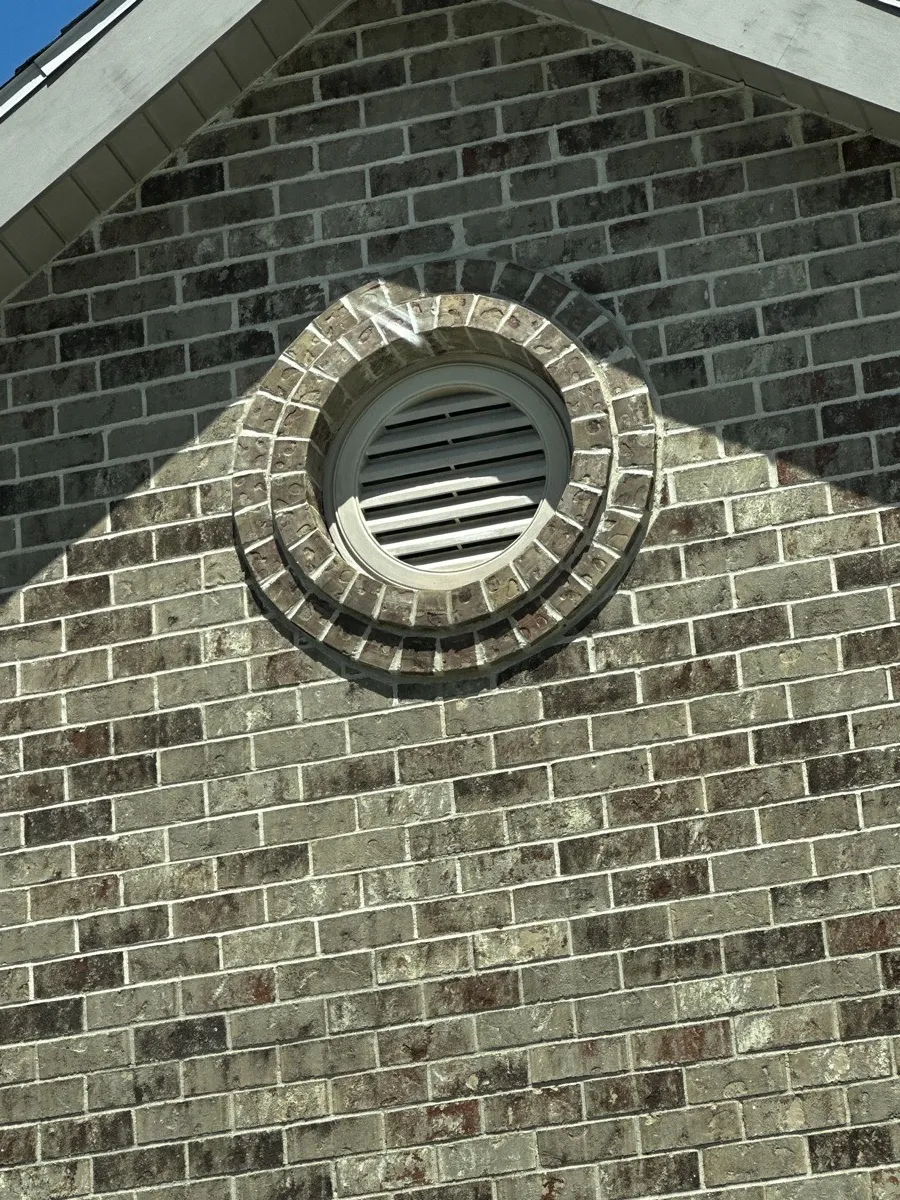
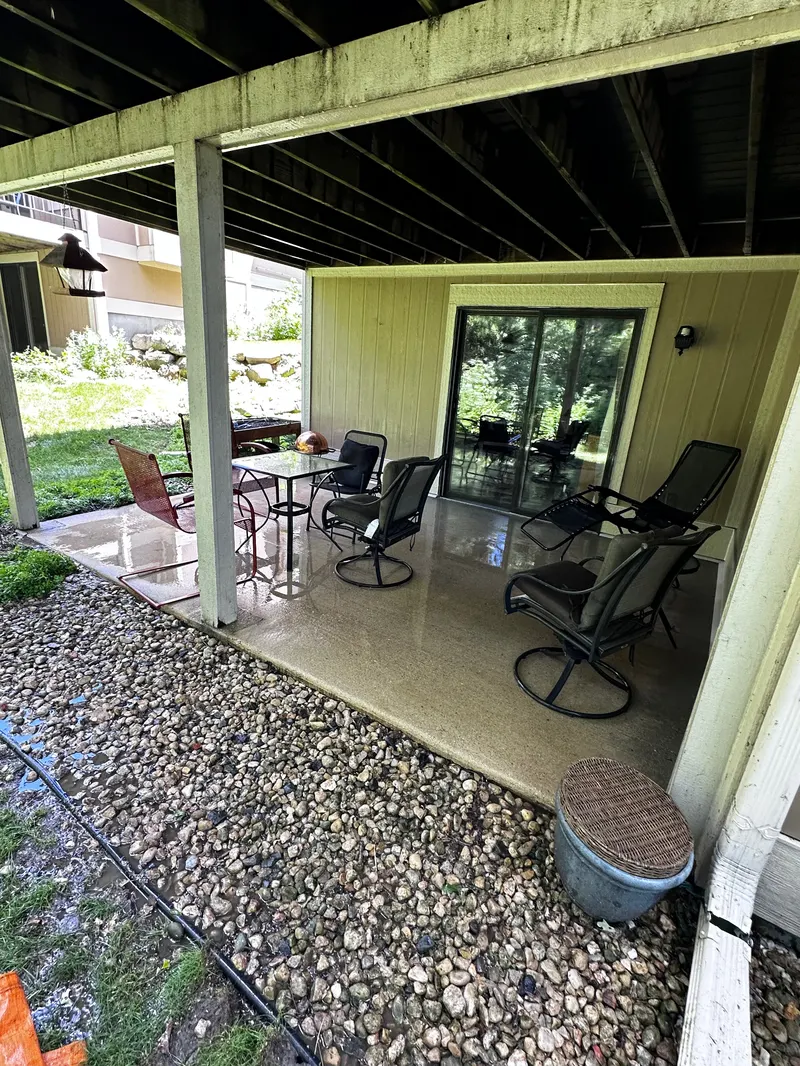
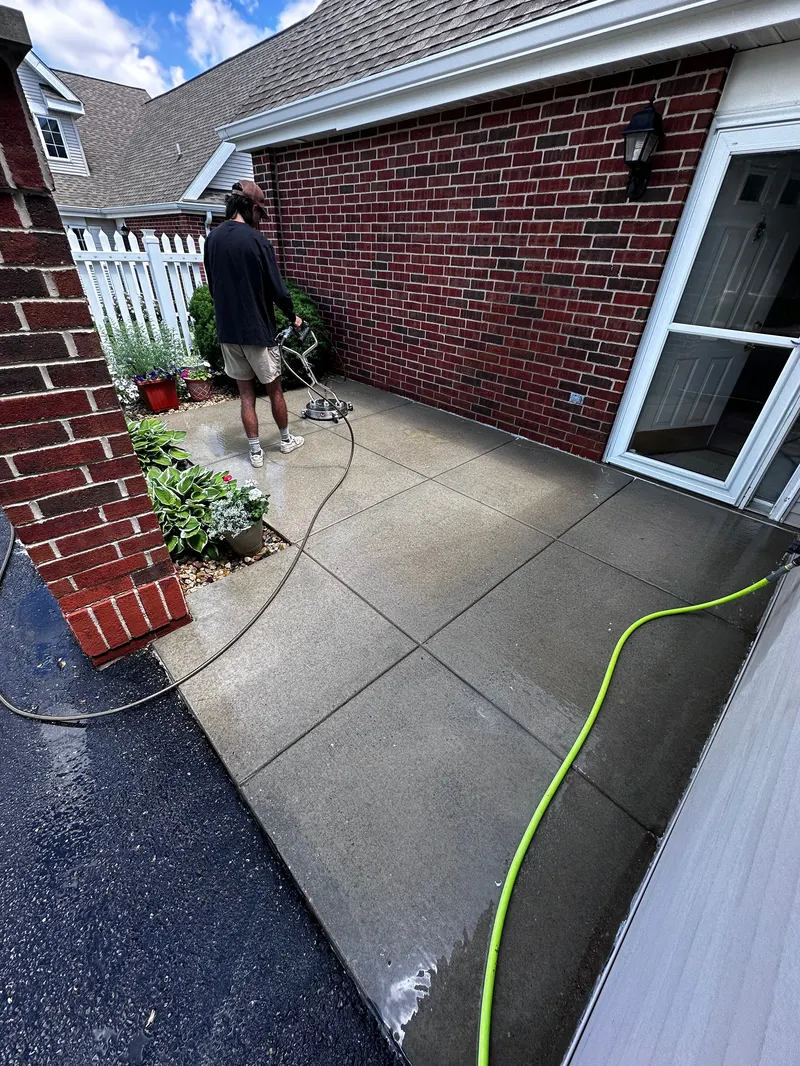
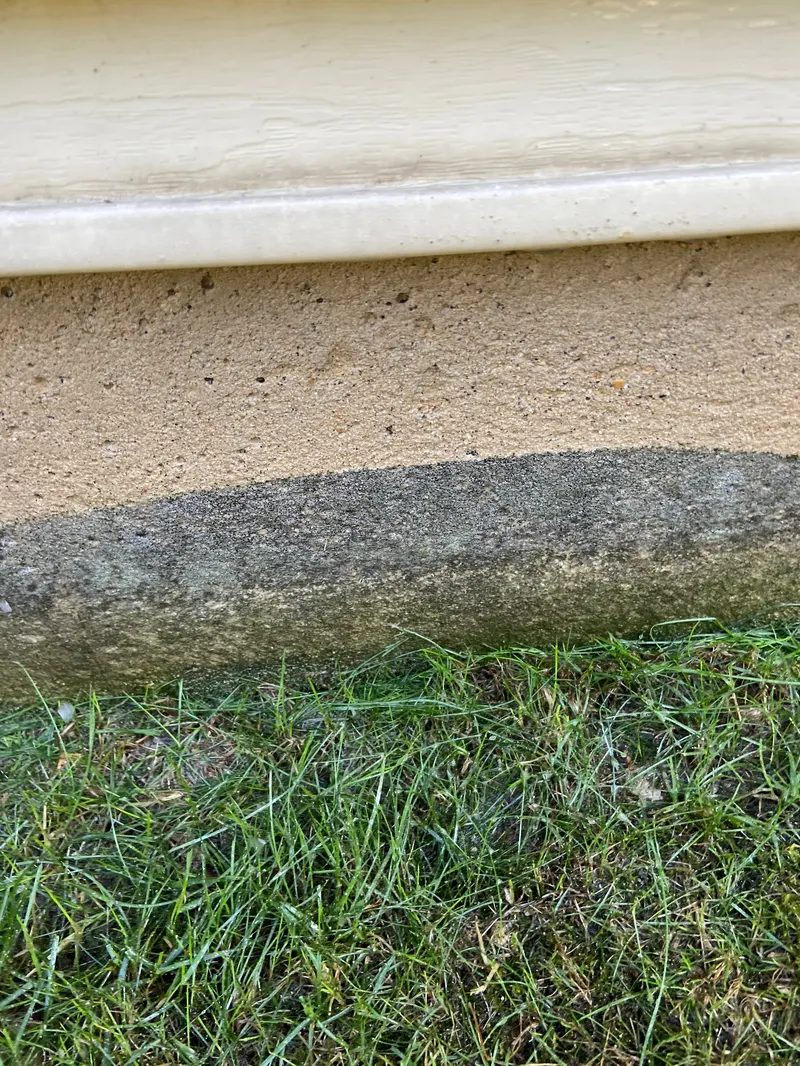
Actual job photos from The Total Wash Co. — not stock photography
More Results
Frequently Asked Questions
"The Total Wash Co. is hands down the best exterior cleaning company in Madison. Professional, reliable, and the results speak for themselves. 10/10."
Written by
The Total Wash Co. Team
Window cleaning, pressure washing and exterior cleaning · Madison, WI
The Total Wash Co. has served Madison and Dane County since 2021. More about us